Behind Arabic Dubbing: Localizing Action Spectacles and Animated Features for Arabic Speakers
Sage Schmitz · Jun 30, 2026
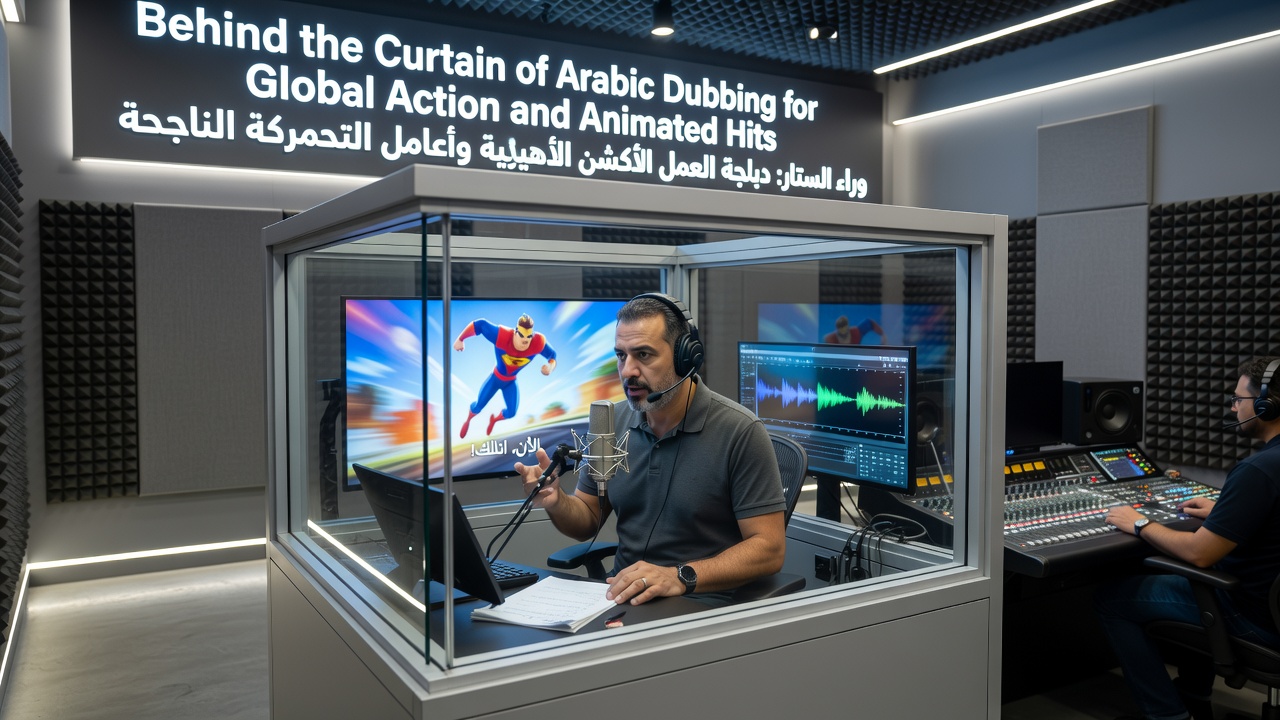
Behind Arabic Dubbing: Localizing Action Spectacles and Animated Features for Arabic Speakers
Arabic dubbing operations handle the adaptation of major Hollywood action releases alongside popular animated productions for viewers across the Middle East and North Africa, and studios in Cairo, Dubai, and Beirut coordinate teams of translators, directors, and voice performers to match original dialogue timing while preserving narrative intent. The work involves precise lip synchronization techniques that account for Arabic's right-to-left script and phonetic differences from English or other source languages, and facilities employ digital audio workstations to adjust pacing during recording sessions that can last several weeks per project.
Core Workflow in Professional Dubbing Facilities
Teams begin with script translation that preserves character voice and plot details, after which dubbing directors guide actors through multiple takes to align mouth movements with on-screen action, and this stage often requires adjustments when explosive sequences in action films feature rapid exchanges that demand shorter Arabic phrases to fit visual cues. Animation projects introduce additional layers because exaggerated facial expressions and fantastical creatures allow more flexibility in phrasing, yet translators still maintain emotional tone across comedic beats or dramatic turns.
Sound engineers layer in effects and music tracks once voice recordings finalize, and quality control checks verify consistency across episodes or film reels before final delivery to streaming platforms and broadcasters. Data from industry reports indicate that Arabic dubs now cover dozens of high-profile titles annually, with action franchises and family-oriented animations forming a significant portion of the workload.
Technical Challenges Specific to Action and Animation Content
Explosions, fight choreography, and vehicle pursuits in action films create timing constraints that force adapters to condense dialogue without losing intensity, whereas animated features often involve songs or rapid character banter that require singers and multiple voice talents to coordinate within tight schedules. Observers note that cultural references sometimes shift to equivalents familiar to Arabic audiences, such as replacing certain idioms with regionally resonant expressions, and this process maintains accessibility while respecting original creative vision.
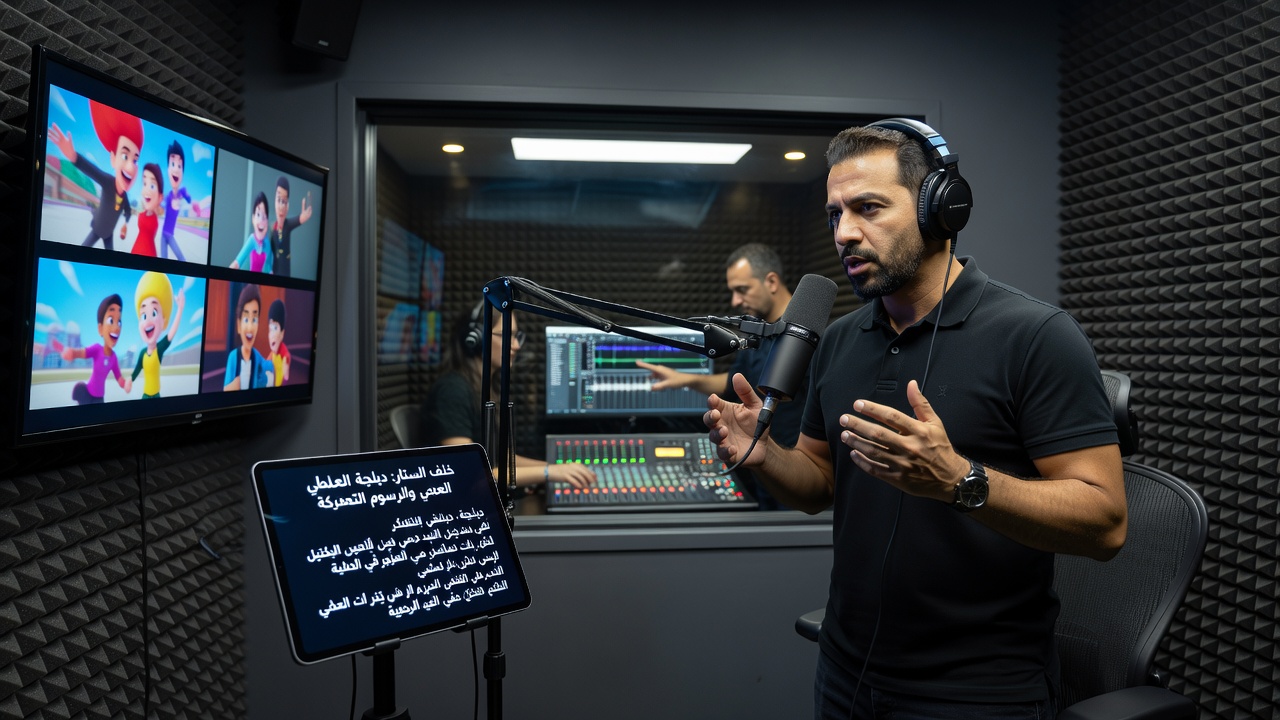
Training programs at regional media institutes prepare new talent for these demands, and many performers draw from theater backgrounds to deliver nuanced performances under pressure. Research conducted by the University of Toronto's media localization group highlights how phonetic mapping tools have improved synchronization accuracy in recent years, reducing revision cycles during post-production.
Regional Expansion and Industry Trends Through Mid-2026
Streaming services continue expanding Arabic-language catalogs, which has increased demand for simultaneous dubs on global releases, and several facilities reported handling simultaneous projects for both theatrical action sequels and long-running animated series as of June 2026. Partnerships between international studios and local production houses facilitate knowledge transfer on emerging AI-assisted timing software, although human oversight remains central to final creative decisions.
One facility in Dubai completed dubs for multiple action titles during the first half of the year, while Cairo-based teams focused on animated content that required extensive song adaptation. These parallel efforts reflect broader patterns in content distribution where Arabic versions reach audiences within weeks of original premieres.
Voice Talent Development and Cultural Considerations
Established voice actors often lend recognizable tones to lead characters, building audience familiarity across franchises, and emerging performers receive mentorship on modulation techniques suited to high-energy scenes. Cultural sensitivity reviews ensure that adapted dialogue aligns with viewer expectations in diverse markets, and this step integrates feedback from regional consultants before approval.
According to findings published by Australia's Centre for Media Research, audience retention rates rise when dubs balance fidelity to source material with natural linguistic flow, a principle applied consistently in Arabic productions. Facilities track these metrics through platform analytics to refine approaches on subsequent titles.
Conclusion
Arabic dubbing for action and animated content combines linguistic expertise, technical precision, and creative adaptation within established studio environments, and ongoing developments in software and talent pipelines support continued growth in output volume. The sector maintains focus on delivering synchronized experiences that serve expanding regional viewership through established distribution channels.