Bridging Cultures Through Voice: The Process Behind Adapting Drama and Animation Titles for International Digital Distribution
Uma Lang · Jul 19, 2026
Bridging Cultures Through Voice: The Process Behind Adapting Drama and Animation Titles for International Digital Distribution
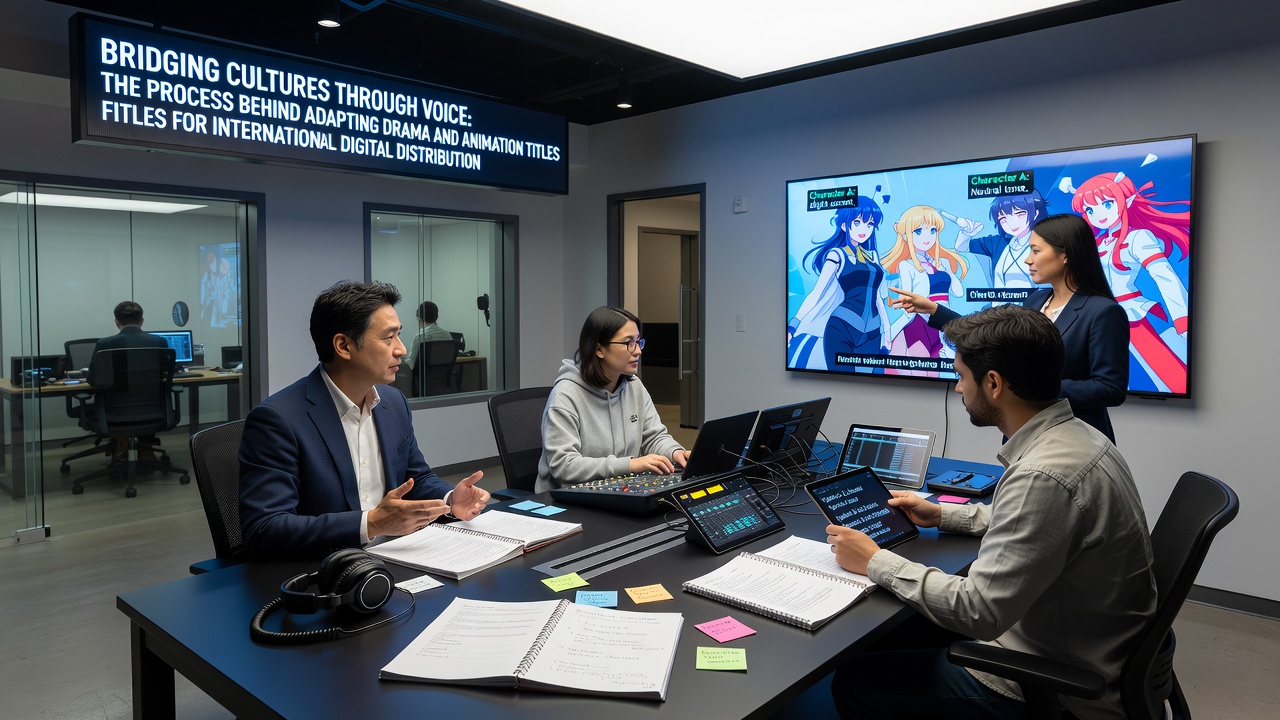
The adaptation of drama and animation titles for international digital distribution centers on voice work as a primary bridge between source cultures and new audiences. Studios and streaming services handle this process through structured localization pipelines that preserve narrative intent while aligning audio elements with linguistic and cultural expectations in target markets. Observers note that voice adaptation extends beyond simple translation to include lip-sync adjustments, emotional tone calibration, and dialect selection that reflect regional speech patterns.Core Components of Voice Adaptation
Voice adaptation teams begin with script analysis that identifies dialogue rhythms, idiomatic expressions, and character-specific vocal traits. Translators convert the original text into target languages while maintaining timing constraints for animation or live-action footage. Directors then cast voice actors whose vocal ranges match the original performances in pitch, age, and emotional delivery. Recording sessions take place in controlled studios where actors perform lines in multiple takes to achieve precise synchronization with on-screen mouth movements.
Data from industry reports shows that animation projects often require more extensive re-recording than drama series because animated characters allow greater flexibility in vocal reinterpretation. Drama adaptations, by contrast, demand closer fidelity to original actor inflections to sustain performance continuity across dubbed versions. Those who manage these workflows coordinate between translators, engineers, and cultural consultants to flag elements that might require substitution, such as references to local customs or humor styles that do not translate directly.
Steps in the Localization Pipeline
The process unfolds in sequential stages that begin with content ingestion and end with quality assurance for digital platforms. First, teams receive master files containing original audio tracks and time-coded scripts. They generate translated scripts that fit within existing scene durations, then conduct table reads to test flow and pacing. Voice casting follows, with auditions conducted remotely or in regional studios to identify talent familiar with local accents and acting conventions.
Recording and editing occur next, where engineers layer new dialogue over the original soundtrack while suppressing or replacing ambient sounds that conflict with the new language. Mixing engineers balance levels so that dubbed audio matches the dynamic range of the source material. Final review involves native speakers from the target region who check for cultural accuracy and unintended meanings before files are encoded for streaming services.
Technological Tools Supporting Adaptation
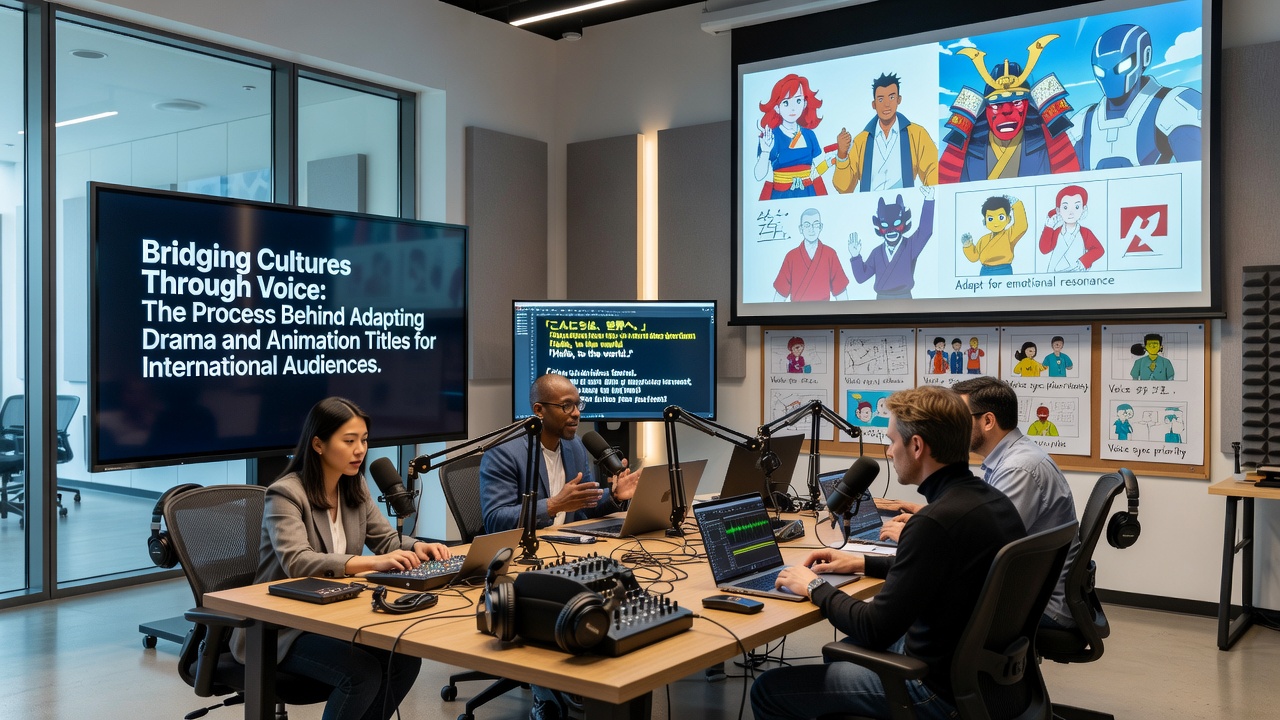
Digital tools have reshaped how adaptation teams manage timing and synchronization. Automated dialogue replacement software aligns new recordings to video frames with frame-accurate precision, while AI-assisted translation platforms suggest phrasing options that respect syllable counts and emotional valence. Human editors still review every suggestion because context and nuance remain outside current algorithmic reach. Research conducted at institutions such as the University of Southern California indicates that hybrid human-AI workflows have reduced average turnaround times for animated features by measurable margins in recent distribution cycles.
Regional Considerations and Standards
Adaptation practices vary by destination market because regulatory and viewer expectations differ across regions. European distributors often prioritize preservation of original sound design alongside dubbed tracks, whereas certain Asian markets favor fully localized audio that minimizes any trace of the source language. According to figures released by the European Audiovisual Observatory, dubbed content accounts for a substantial share of animation consumption in non-English territories, with drama titles showing higher retention of subtitled options among adult viewers. In July 2026, the International Dubbing Summit convened representatives from North American, European, and Asia-Pacific studios to review emerging standards for accessibility features such as audio description tracks that accompany dubbed releases.
Those managing international releases also address music and sound effect localization when songs contain lyrics tied to plot points. Replacement tracks must convey equivalent narrative information while fitting the original melody and cultural tone. Animation studios frequently commission new vocal performances for theme songs to maintain viewer engagement in each language market.
Distribution Platforms and Delivery Formats
Streaming services integrate adapted audio tracks into their content delivery networks through multiple language profiles that users select at playback. Metadata tagging ensures that regional libraries surface the appropriate dubbed or subtitled versions based on account settings and geographic location. Platform operators track consumption metrics that inform future adaptation priorities, revealing which titles benefit most from full dubbing versus subtitle-only releases. Industry organizations such as the Motion Picture Association compile these statistics to guide investment in voice talent development across emerging markets.
Conclusion
Voice adaptation for drama and animation titles operates as a coordinated sequence of linguistic, technical, and cultural decisions that enable digital distribution across borders. The process relies on specialized teams, precise timing tools, and regional expertise to deliver versions that resonate with diverse audiences while respecting the integrity of original productions. Continued refinement of these methods supports broader access to international content libraries as streaming platforms expand their global footprints.