Cross-Cultural Audio Layers: Indian Films in Action and Horror Receiving Arabic Versions for Broader Access
Jordan Vogel · Jun 28, 2026
Cross-Cultural Audio Layers: Indian Films in Action and Horror Receiving Arabic Versions for Broader Access
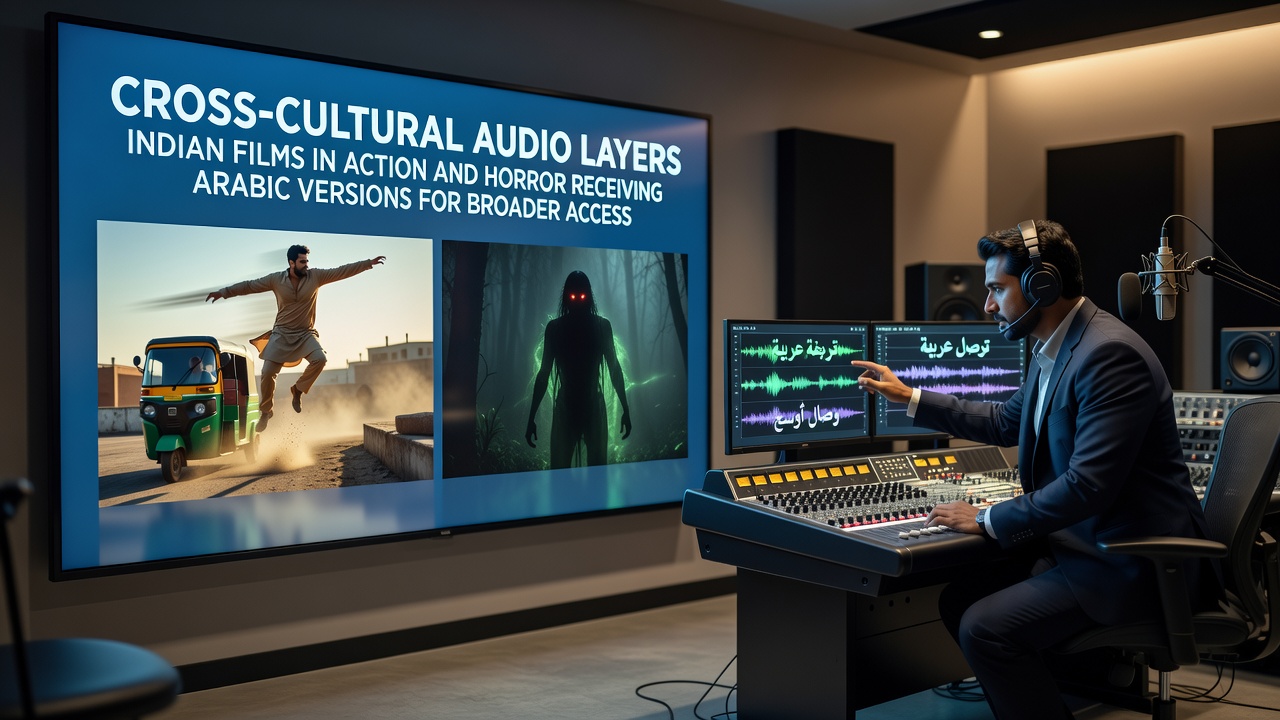
Indian action and horror productions have expanded into Arabic-speaking regions through dedicated audio adaptation processes that include full dubbing alongside layered subtitle tracks, and these efforts connect directly to distribution strategies aimed at theaters, streaming services, and television broadcasts across the Gulf states, North Africa, and the Levant. Studios in Mumbai and Hyderabad coordinate with regional post-production facilities in Dubai and Cairo to record Arabic voice tracks that match lip movements while preserving original sound design elements such as background scores and effects layers.
Market Expansion Through Localized Soundtracks
Distribution companies report steady increases in Arabic-language releases of Indian titles since the mid-2010s, with action sequences often prioritized because fight choreography and stunt work translate across language barriers when dialogue receives precise synchronization. Horror entries follow a parallel path yet require additional attention to atmospheric tension through vocal inflection and pacing adjustments that suit cultural viewing preferences in different territories. In June 2026 several upcoming Indian horror features are scheduled for simultaneous Arabic audio premieres timed with regional holiday periods, allowing simultaneous theatrical rollouts in multiple countries.
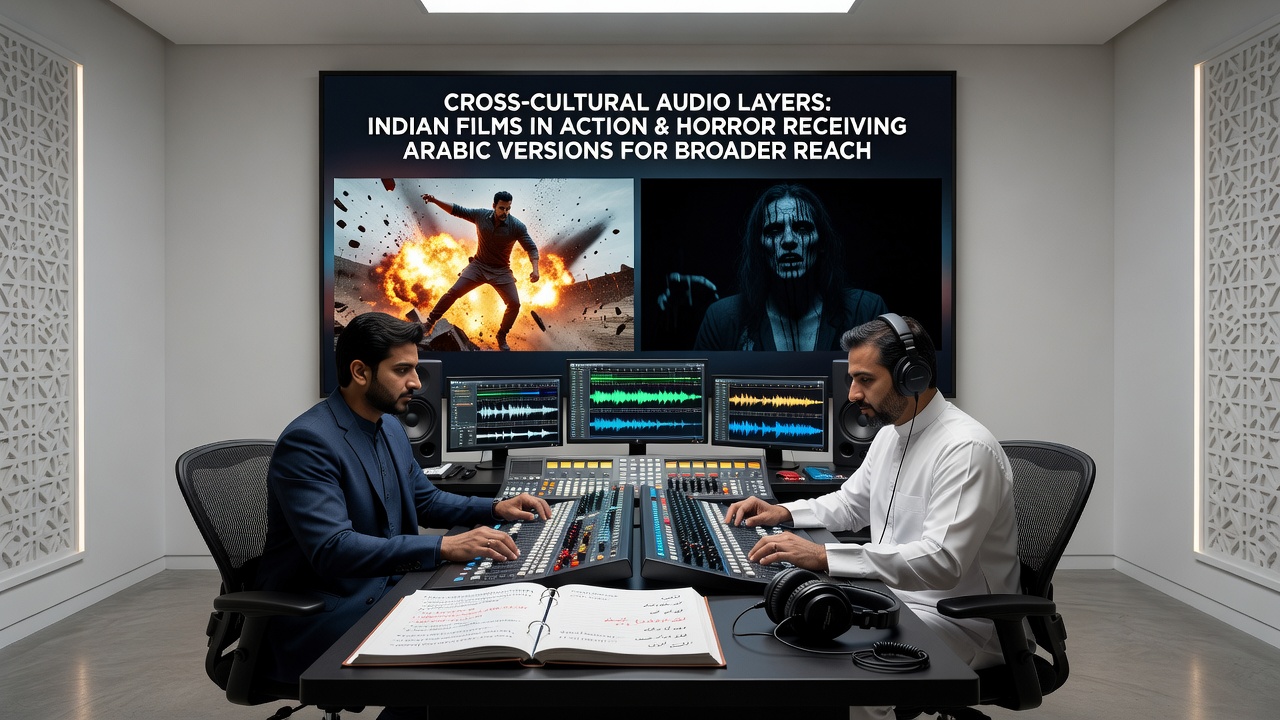
Technical teams handle these adaptations by first creating time-coded scripts that break down every line of dialogue, then casting voice artists who can replicate emotional intensity without altering the original performances. Sound engineers subsequently mix the new Arabic recordings over the existing music and effects stems, producing separate audio masters that exhibitors can select based on audience demographics. This layered approach maintains the integrity of the source material while meeting regulatory requirements for local language content in certain markets.
Production Workflows and Technical Standards
Facilities involved in these projects follow standardized protocols developed through collaboration between Indian and Arab media professionals, including precise frame-rate alignment to accommodate varying broadcast standards and subtitle placement guidelines that avoid obscuring on-screen action. Action films benefit from heightened focus on impact sounds and vehicle effects during the mixing stage, whereas horror productions emphasize subtle ambient tracks that heighten suspense when delivered in Arabic. Observers note that the process typically spans four to eight weeks depending on film length and the number of speaking roles requiring dubbing.
Research conducted by the European Audiovisual Observatory highlights how such cross-regional audio adaptations contribute to measurable growth in non-European film imports across North African and Middle Eastern territories, with data indicating rising viewership numbers for dubbed Indian content on both linear television and video-on-demand platforms. Industry reports further show that horror and action genres together account for a significant share of these localized releases because they attract younger demographics who prefer dubbed versions over subtitled ones in group viewing settings.
Distribution Channels and Audience Reach
Theatrical chains in the United Arab Emirates, Saudi Arabia, and Egypt have incorporated Arabic-dubbed Indian films into regular programming slates, often pairing them with local marketing campaigns that emphasize familiar stars and high-energy sequences. Streaming services licensed for the MENA region simultaneously offer these versions as default audio options, allowing users to toggle between original Hindi tracks and Arabic replacements while retaining original subtitles in either language. This flexibility supports broader accessibility without requiring separate physical media inventories.
UNESCO Institute for Statistics figures reveal consistent expansion in audiovisual trade flows between South Asia and Arab states over the past decade, underscoring the role of language localization in sustaining that momentum. Production schedules now routinely include Arabic audio deliverables as part of initial planning rather than afterthoughts, shortening the gap between Indian premieres and regional launches.
Conclusion
Cross-cultural audio adaptations continue to shape how Indian action and horror films reach Arabic-speaking viewers through coordinated dubbing pipelines, synchronized sound design, and multi-platform distribution models that prioritize both technical quality and market timing. These processes rely on established workflows that balance creative fidelity with regional linguistic requirements, resulting in expanded availability across theaters and digital services.