Cultural Resonance Through Dubbing: Examining Arabic Adaptations of International Thrillers and Animated Features
Uma Lang · May 19, 2026
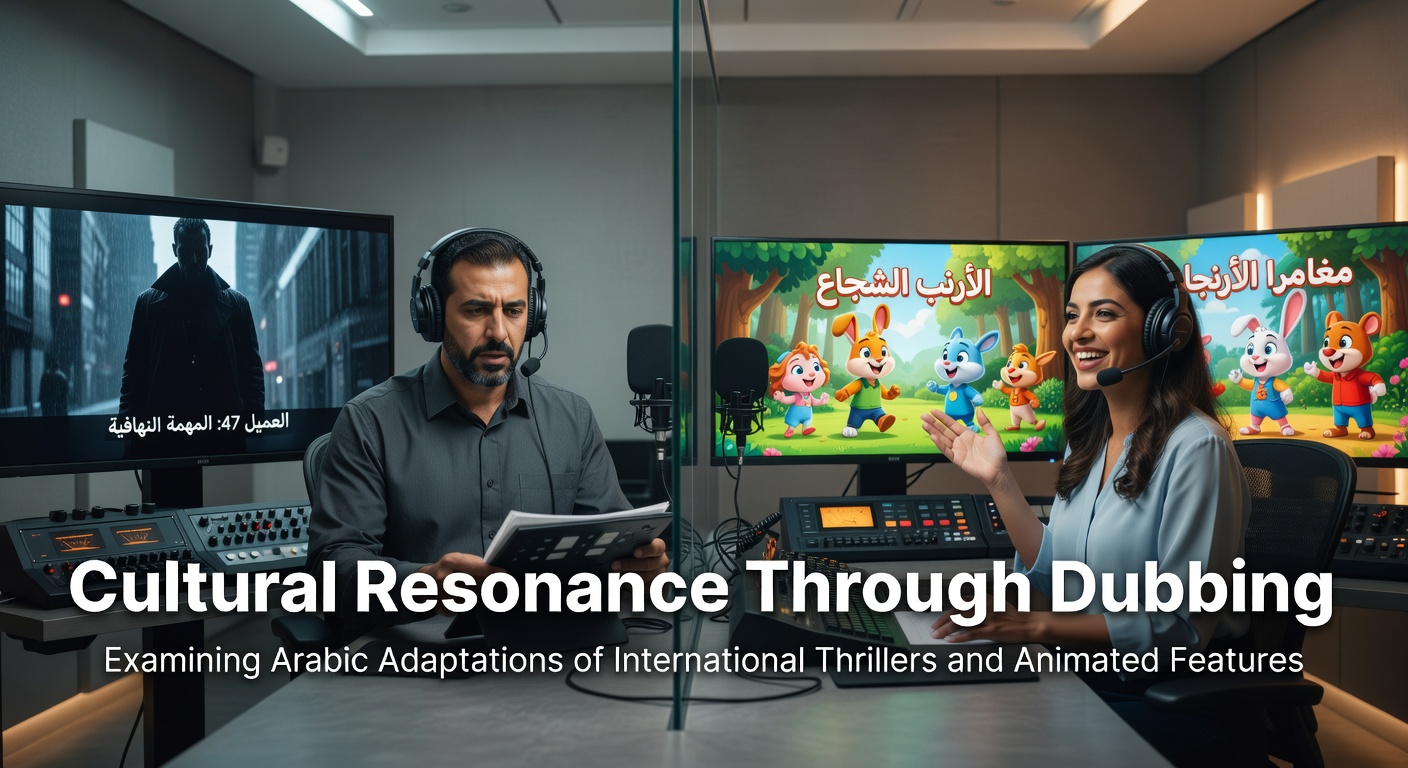
Cultural Resonance Through Dubbing: Examining Arabic Adaptations of International Thrillers and Animated Features
Dubbing serves as a bridge that carries stories across linguistic boundaries while reshaping them to fit local sensibilities, and Arabic adaptations of international thrillers along with animated features demonstrate this process in action. Studios commission teams of translators, voice actors and cultural consultants who adjust dialogue, humor and references so that viewers in Arabic-speaking regions connect with characters and plots without losing the original tension or emotional beats. Research from audiovisual translation studies shows that these adaptations balance fidelity to source material with the need for natural speech patterns that resonate in Egyptian, Levantine and Gulf dialects. Thrillers present particular challenges because suspense often hinges on precise timing and subtle verbal cues, whereas animated features rely on exaggerated expressions and song lyrics that demand creative reworking. Observers note that when a Hollywood action sequence unfolds, Arabic dubbers maintain the pace by condensing lines or shifting idioms to equivalents familiar to local audiences, and data from regional broadcasters indicate higher retention rates for dubbed versions compared to subtitled ones in several markets.Adapting Thrillers for Arabic Audiences
International thrillers such as espionage dramas and crime procedurals arrive with layers of Western cultural shorthand that require careful handling during Arabic localization. Voice directors coordinate sessions where actors deliver lines in modern standard Arabic for formal scenes while inserting dialect touches during moments of high emotion, and this hybrid approach helps maintain authenticity. Studies conducted by European media research centers reveal that viewers in North Africa and the Middle East respond more strongly when antagonists use phrasing that echoes local storytelling traditions, even if the setting remains foreign.
Sound engineers further refine these tracks by aligning lip movements through precise timing adjustments, a technique refined over decades of practice at facilities in Cairo and Dubai. As streaming services expand their catalogs in May 2026, platforms report increased investment in high-quality thriller dubs to capture younger demographics who grew up with both Hollywood blockbusters and regional cinema. Industry reports from the Arab States Broadcasting Union highlight that such productions now incorporate feedback loops where test audiences flag references that might confuse or alienate viewers, leading to last-minute script revisions.
Animated Features and Linguistic Creativity
Animated features introduce an additional dimension because songs, puns and visual gags must translate without breaking the rhythm of musical numbers or the visual comedy. Translators often rewrite lyrics entirely rather than attempting literal renditions, drawing on Arabic poetic forms and popular music styles to keep the energy intact. Researchers at universities in the Gulf have documented how this creative freedom allows films from major studios to feel locally produced, boosting repeat viewings among families.
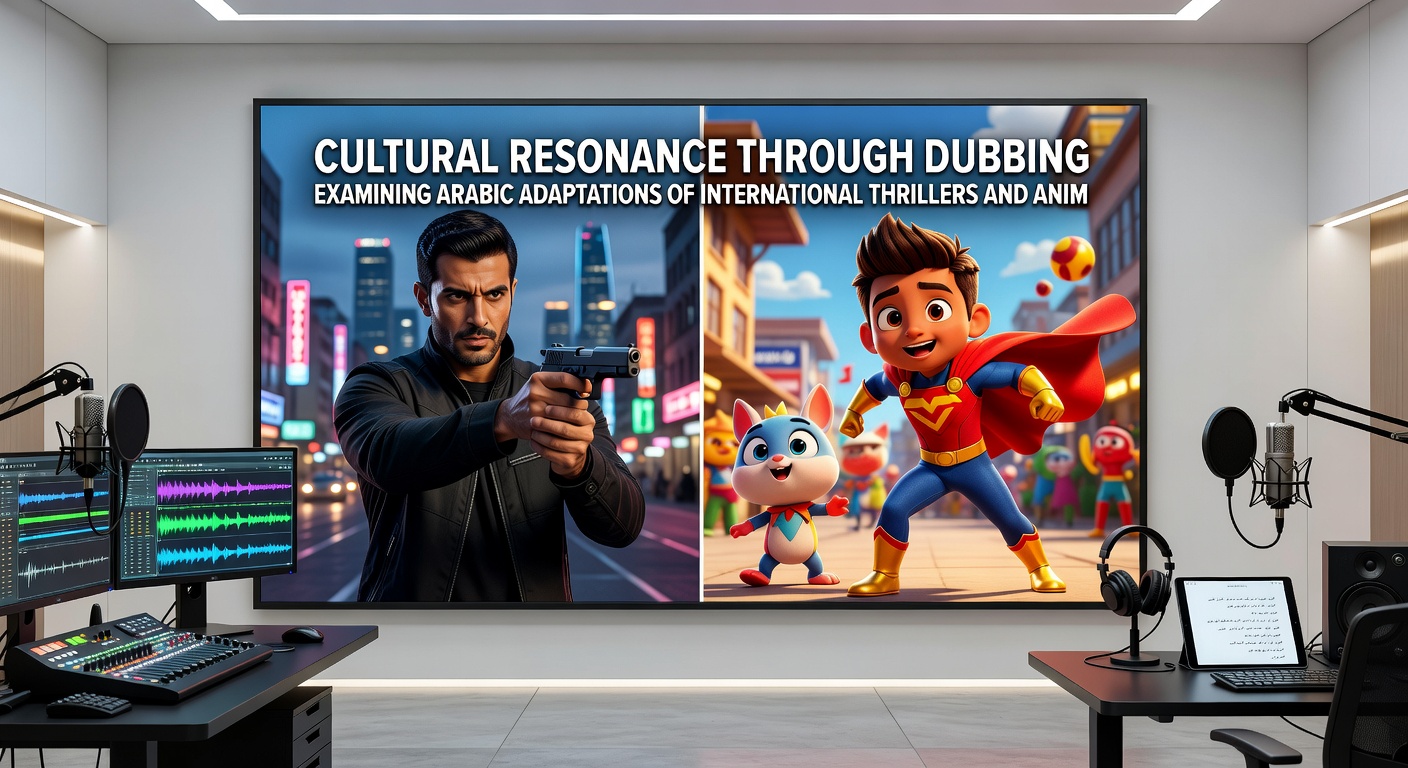
Take one case where experts found that a popular American animated comedy required new character names and food references to land effectively in Arabic markets, resulting in dialogue that preserved the original wit while substituting culturally resonant alternatives. Those who have analyzed box office figures across the region observe that dubbed animated releases frequently outperform subtitled versions by wide margins during holiday seasons, and this pattern continues into 2026 with upcoming titles slated for simultaneous global launches.
Technical and Cultural Considerations in Practice
Production pipelines for Arabic dubs combine advanced digital tools with human expertise, allowing teams to review multiple takes and refine performances until emotional beats align across languages. Cultural consultants review scripts for sensitivities around religion, gender roles and historical allusions, ensuring compliance with broadcasting standards in various countries. Figures from media regulatory bodies in Canada and Australia show parallel practices in other multilingual contexts, underscoring that Arabic dubbing follows established global norms while addressing unique regional requirements.
What's interesting is how these adaptations sometimes influence original productions, with filmmakers incorporating broader appeal elements after consulting with localization experts early in development. Academic papers from institutions across Europe document this feedback loop, noting measurable shifts in narrative choices for thrillers destined for wide international release. Yet the core goal remains consistent: preserving narrative integrity while fostering genuine engagement among Arabic-speaking viewers.
Conclusion
Arabic adaptations of international thrillers and animated features continue to evolve as technology and audience expectations advance, with May 2026 marking expanded collaborations between global studios and regional production hubs. The process underscores the power of thoughtful localization to create cultural resonance without erasing the distinctive voice of each original work, and ongoing research tracks these developments across markets. Data from trade organizations and university studies alike confirm that such efforts sustain interest in cross-cultural storytelling for years to come.