Decoding Accessibility Trends in Multilingual Versions of Action-Packed Animated Adventures from Diverse Film Industries
Uma Lang · Jul 23, 2026
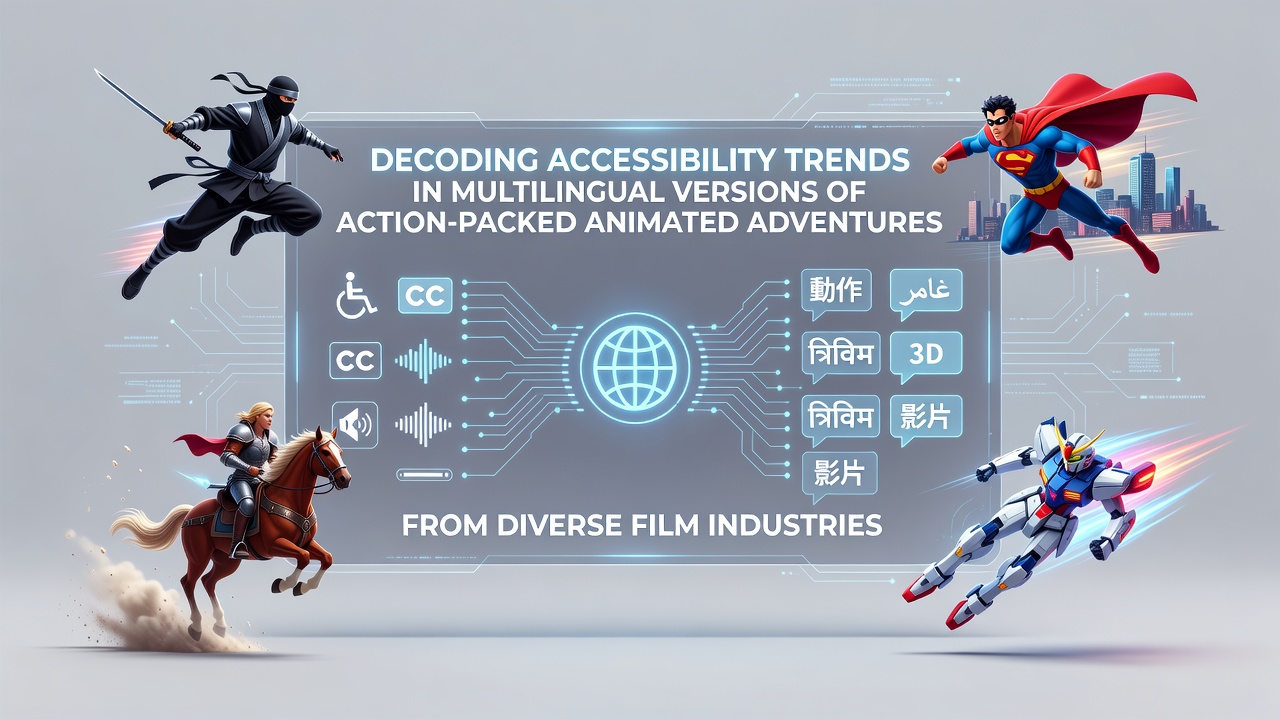
Decoding Accessibility Trends in Multilingual Versions of Action-Packed Animated Adventures from Diverse Film Industries
Accessibility in multilingual versions of action-packed animated adventures has evolved significantly across film industries worldwide, and data from multiple regions shows steady growth in subtitle adoption, dubbed audio tracks, and audio description features. As of July 2026, industry reports indicate that major studios in Hollywood, Japanese animation houses, and emerging Bollywood animation units have expanded language support to reach broader audiences while meeting regulatory standards for visual and hearing impairments.
Researchers at academic institutions have tracked how these trends intersect with technological tools such as AI-assisted translation and synchronized captioning systems. Figures from the European Audiovisual Observatory reveal that animated features released between 2023 and 2025 incorporated an average of twelve language options per title, compared with eight options in earlier periods, and this expansion includes both theatrical releases and streaming platforms.
Regional Patterns in Animation Accessibility
Hollywood productions continue to lead in the integration of audio description tracks for action sequences, yet Japanese studios have accelerated their use of detailed on-screen text for character dialogue and sound effects. Observers note that Bollywood animation teams have begun adopting similar practices, particularly for films targeting international markets where Hindi, English, and regional Indian languages appear alongside Arabic and Spanish subtitles. These developments reflect coordinated efforts among production companies to comply with varying national accessibility mandates.
Studies conducted by university research groups in North America and Asia demonstrate that multilingual caption quality directly influences viewer retention rates. One analysis of action-oriented animated releases found that synchronized captions reduced comprehension gaps for non-native speakers by measurable percentages, and similar patterns appeared in data collected from European markets. The same research highlighted how color-coded subtitle systems, now common in several high-budget titles, help distinguish between multiple characters during rapid dialogue exchanges typical of fight scenes and chase sequences.
Technological Drivers Behind Current Practices
Advancements in speech-to-text algorithms and neural machine translation have lowered production costs for multilingual versions, allowing smaller studios to participate in the trend. Industry organizations report that automated tools now handle initial subtitle drafts, after which human editors refine timing and cultural references. This hybrid workflow has become standard across diverse film sectors, and evidence suggests it enables faster turnaround times without sacrificing accuracy in high-stakes action sequences.
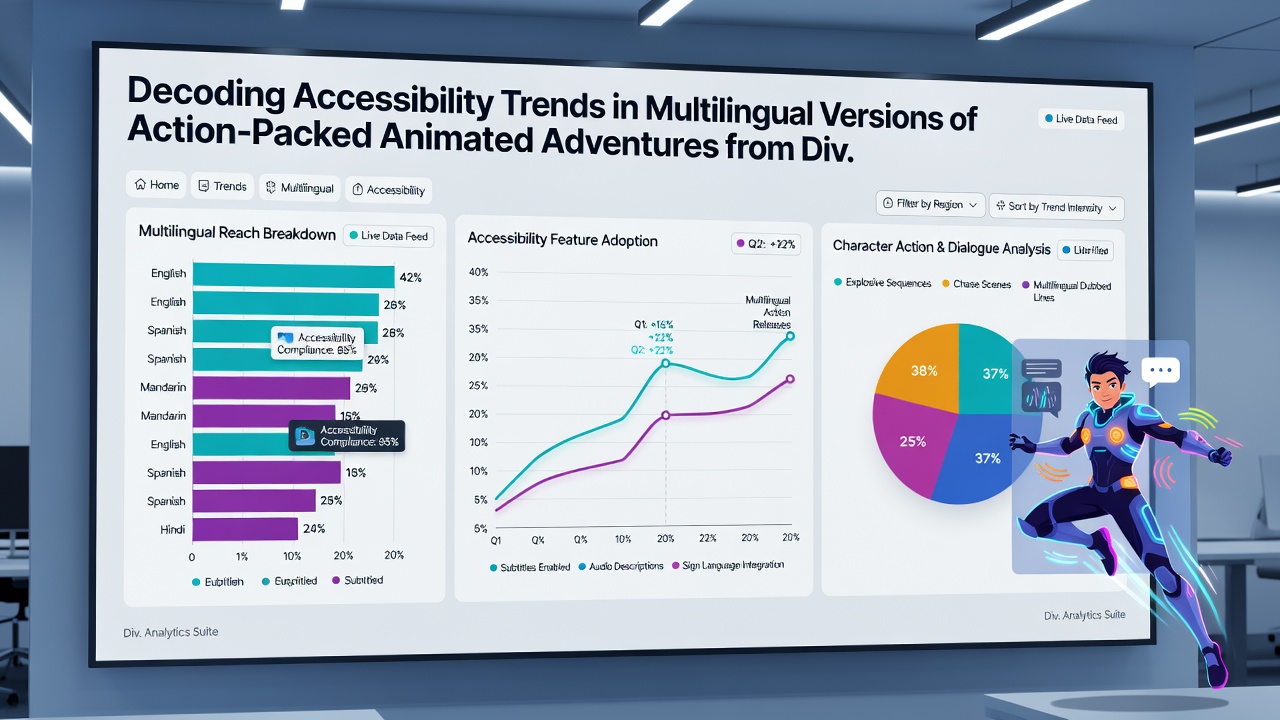
Regulatory frameworks in multiple jurisdictions have further shaped these practices. The European Accessibility Act, for instance, sets minimum requirements for audiovisual content distributed within the EU, while Canadian and Australian guidelines emphasize inclusive design for digital releases. Production pipelines increasingly incorporate accessibility checks at early stages, and data collected by trade associations shows that titles meeting these standards achieve wider distribution agreements.
Challenges and Ongoing Adjustments
Despite progress, synchronization issues persist in fast-paced animated sequences where rapid movement coincides with overlapping speech. Experts have documented cases where subtitle placement obscured key visual information, prompting studios to adopt dynamic positioning techniques. Researchers continue to examine viewer feedback from diverse linguistic groups, and findings indicate that iterative testing improves both accessibility and overall engagement across language versions.
Action-packed animated adventures from different film industries also face unique translation hurdles related to onomatopoeia and sound design. Studios have responded by developing standardized glossaries for recurring terms, and collaborative databases maintained by international animation networks facilitate consistent terminology across dubbed and subtitled releases.
Conclusion
Current accessibility trends in multilingual animated content reflect a convergence of regulatory pressure, technological capability, and market demand. Data gathered through 2026 demonstrates measurable expansion in language support and caption features, while regional variations continue to influence specific implementation methods. Ongoing research and industry collaboration point toward further refinements in caption synchronization and audio description for action-oriented animation.