Global Genres Meet Local Voices: How Dubbing Expands Access to International Cinema on Digital Platforms
Jordan Vogel · Aug 11, 2026
Global Genres Meet Local Voices: How Dubbing Expands Access to International Cinema on Digital Platforms
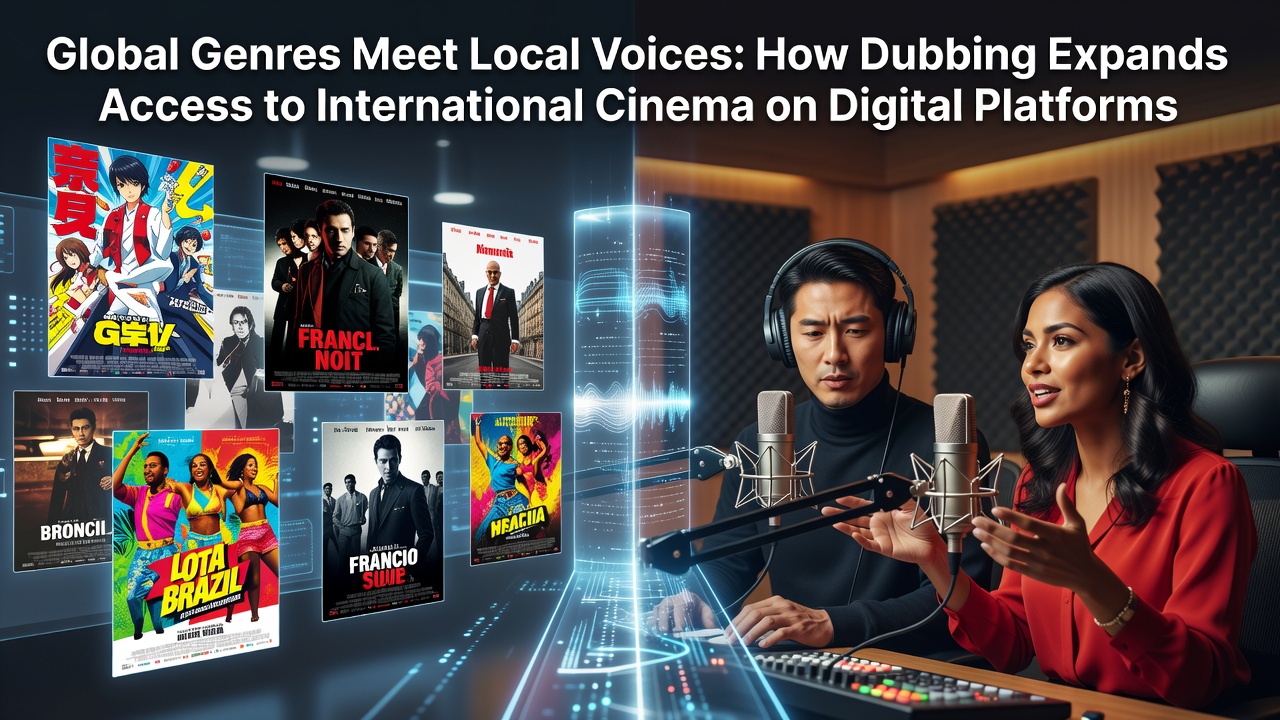
Digital platforms continue to reshape how audiences encounter cinema from around the world, and dubbing plays a central role in that shift as of August 2026. Services now deliver titles originally produced in dozens of languages, while local voice talent recreates dialogue that matches cultural expectations in target markets. This process connects global genres such as science fiction, thrillers, and historical dramas with viewers who prefer audio in their primary language rather than relying solely on text overlays.
Platform Growth and Language Adaptation
Streaming providers track user preferences through regional data, and figures reveal that dubbed versions often generate higher completion rates than subtitled ones in many territories. European Audiovisual Observatory reports indicate that localized audio tracks increase engagement for non-English content across multiple EU member states, while similar patterns appear in data released by Australia's Department of Infrastructure, Transport, Regional Development, Communications and the Arts. Those who manage content libraries note that investment in professional dubbing studios has risen steadily, with facilities in cities like Madrid, Seoul, and São Paulo handling larger volumes of international projects each year.
Genres travel differently once audio tracks adapt to local speech patterns. Action sequences retain their pace when timing aligns with natural pauses in the target language, whereas dialogue-heavy dramas gain emotional nuance through voice actors familiar with regional idioms. Observers note that platforms test multiple dub versions before wide release, comparing retention metrics to decide which performances resonate most strongly with specific demographic groups.
Technical and Cultural Considerations in Modern Dubbing
Engineers synchronize lip movements with new recordings using software that adjusts timing without altering original performances. Voice directors select talent based on vocal range, age appropriateness, and prior experience with the source material's emotional register. Research from institutions such as the University of Sydney's media studies department shows that audiences respond more favorably when cultural references receive careful adaptation rather than literal translation, preserving narrative intent while avoiding confusion.
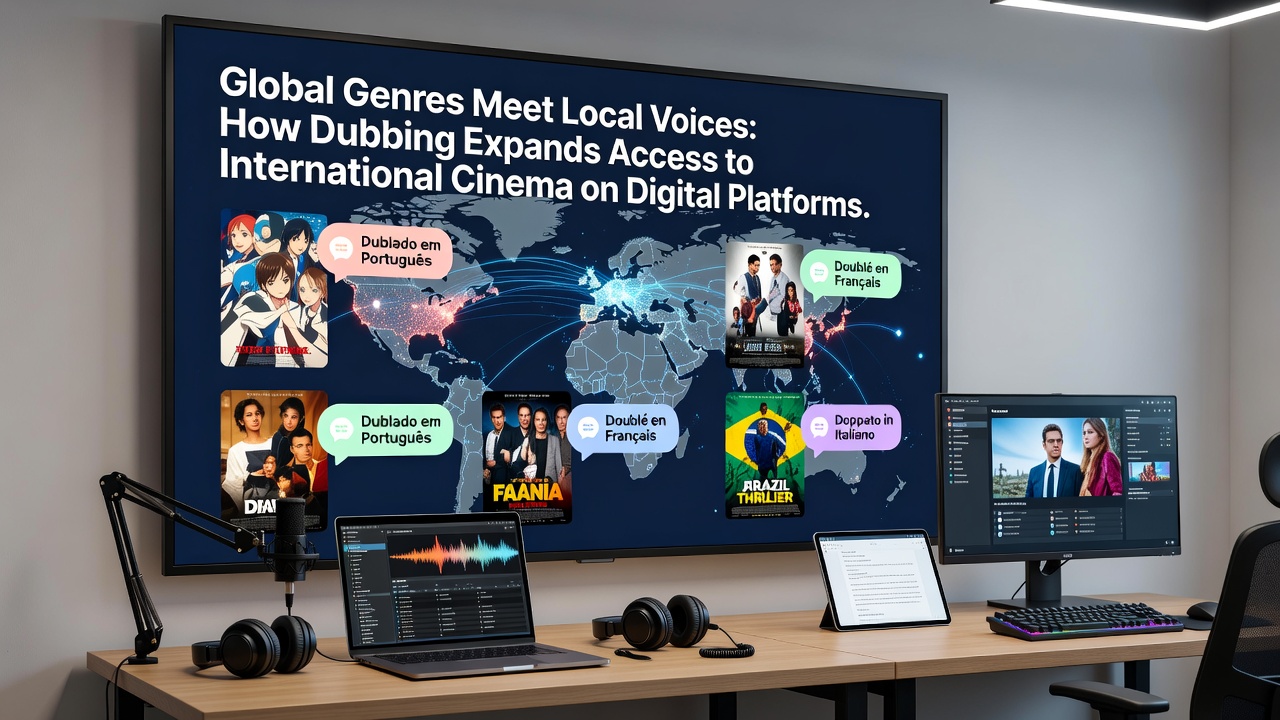
Smaller markets benefit particularly from these adaptations. Viewers in regions with lower English proficiency gain entry to stories that would otherwise remain inaccessible, and platforms report expanded subscriber bases after adding dubbed catalogs. Industry organizations document how dubbing reduces barriers for families watching together, since children often prefer hearing dialogue without reading along. Data from platform analytics further demonstrate that users who start with dubbed audio frequently explore additional titles from the same country of origin.
Industry Practices and Audience Reach
Production pipelines now incorporate dubbing earlier in the release schedule. Studios coordinate with localization teams during post-production so that scripts reach voice actors with sufficient lead time for recording and review. This approach allows simultaneous launches across territories rather than staggered rollouts that once delayed access for months. Trade groups tracking global distribution note that titles with high-quality dubs maintain stronger long-term viewership on digital platforms compared with those relying only on subtitles.
Regional accents and dialects receive attention during casting, since audiences recognize when performances sound authentic to their locale. In some cases, multiple dub versions exist for a single language to accommodate variations across countries that share the same official tongue. Those overseeing these projects emphasize consistency in character voice across sequels or franchise entries, maintaining continuity for returning viewers.
Conclusion
Digital distribution combined with professional dubbing continues to widen pathways for international cinema. As platforms refine their localization strategies, more genres reach audiences who might otherwise encounter only domestic productions. The combination of technical precision and cultural sensitivity in audio adaptation supports sustained growth in cross-border viewing habits through the remainder of 2026 and beyond.