Linguistic Bridges in Cinema: Adapting Genre Films from Multiple Origins for Expanded Reach
Jordan Vogel · Aug 18, 2026
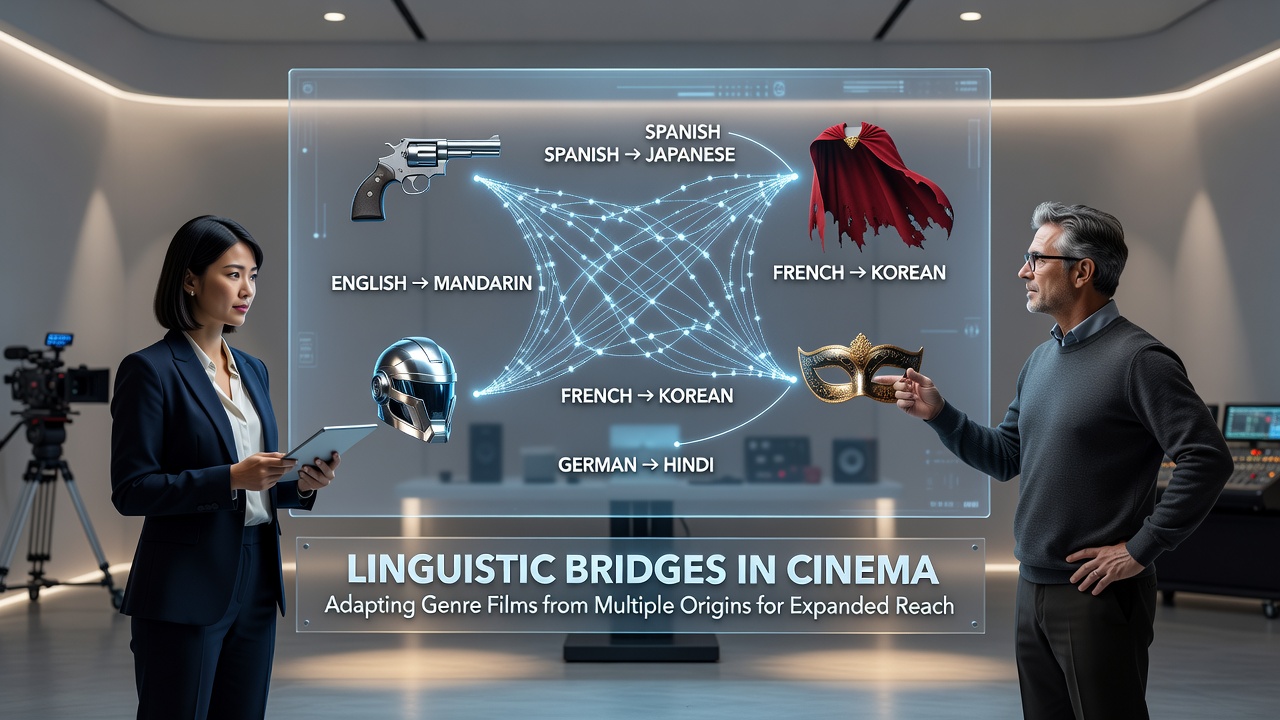
Linguistic Bridges in Cinema: Adapting Genre Films from Multiple Origins for Expanded Reach
Genre films travel across borders when studios and distributors invest in linguistic adaptations that preserve narrative tension while aligning dialogue and cultural references for new audiences, and data from industry reports indicate that such efforts have grown steadily since the early 2010s as streaming platforms expanded international catalogs.
Researchers at the University of Southern California documented how action and horror titles undergo script revisions that adjust idioms, humor, and pacing to maintain emotional impact after translation, while industry organizations such as the European Audiovisual Observatory track the volume of dubbed and subtitled releases across member states.
Historical Patterns in Cross-Origin Adaptations
Early examples include Hollywood westerns remade in Italy during the 1960s and Japanese kaiju films localized for American markets in the same decade, yet the scale increased when Bollywood studios began acquiring remake rights for Korean thrillers and American science-fiction properties in the 2000s. Observers note that these projects required teams of translators, cultural consultants, and voice actors who balanced literal accuracy against spoken rhythm, and statistics compiled by the Canadian Media Fund show that co-production treaties facilitated many of these exchanges by providing funding incentives tied to linguistic deliverables.
By the 2010s, streaming services accelerated the process because global release windows demanded simultaneous versions in multiple languages, and figures from the Motion Picture Association reveal that international box-office shares for genre titles now often exceed domestic totals when adaptations reach audiences in Latin America, East Asia, and the Middle East.
Technical Approaches to Genre-Specific Challenges
Action sequences rely on visual clarity that survives translation, but fight choreography sometimes receives minor adjustments so that dubbed lines sync with mouth movements without altering stunt timing. Horror films present different demands because tension depends on pacing of reveals and sound design, which means subtitling teams prioritize concise phrasing that appears on screen long enough for viewers to absorb both text and image. Studies conducted at the University of Melbourne examined audience retention rates for horror remakes and found that localized humor or regional folklore references improved engagement when inserted carefully into existing plots.
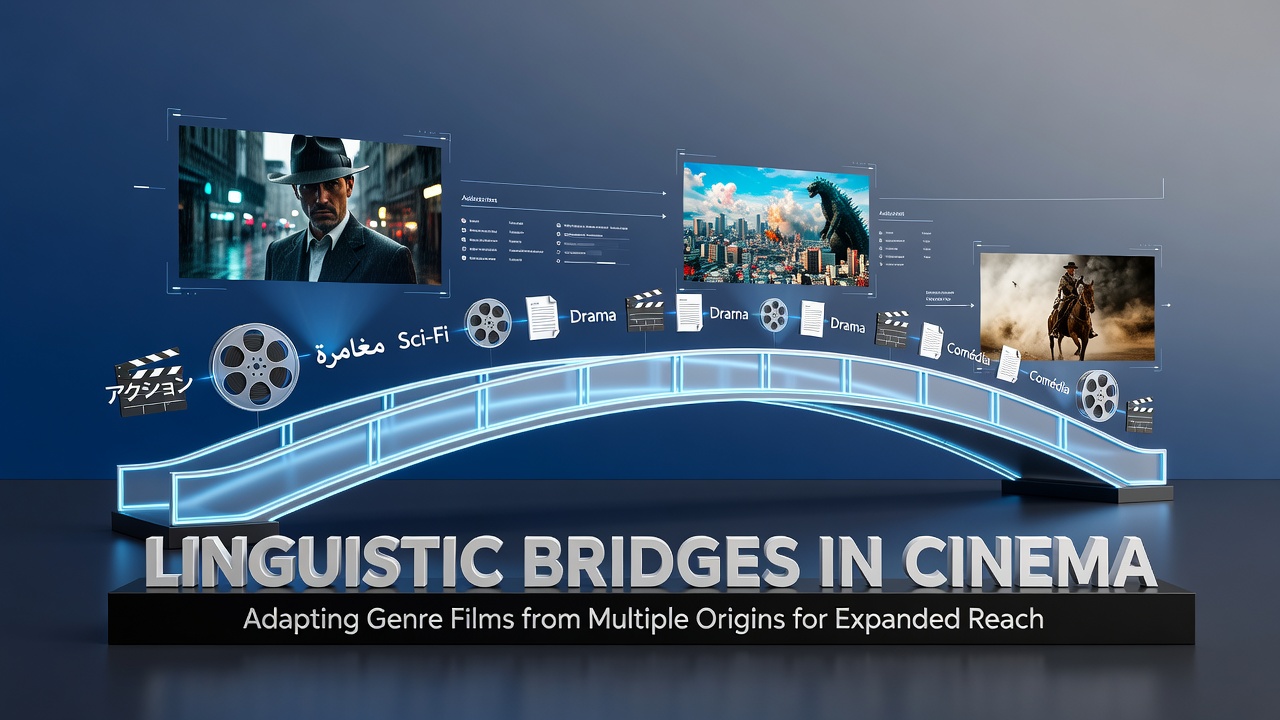
Science-fiction and fantasy titles add layers of invented terminology that must remain consistent across languages, and production companies therefore maintain shared glossaries that translators update during scripting and post-production. Data collected by the Australian Government’s Screen Australia indicate that such preparatory work reduces revision cycles and supports wider distribution deals.
Market Expansion and August 2026 Developments
Distributors schedule major genre releases to coincide with regional festivals and holidays, and planning for August 2026 includes several high-profile adaptations slated for simultaneous premieres in dubbed and subtitled formats across Europe and Asia. Trade publications report that studios are testing AI-assisted translation tools in controlled pilots, though human oversight remains standard for final dialogue polish. Those who have examined festival lineups note increased programming of linguistically adapted genre films at events such as the Bucheon International Fantastic Film Festival and the Sitges Film Festival, where panels discuss how cultural localization affects critical reception.
Academic papers published through the British Film Institute highlight that successful adaptations often retain core visual motifs while recalibrating character motivations to fit prevailing social norms in target territories, and similar patterns appear in data from the Japan Foundation’s film distribution records.
Conclusion
Linguistic adaptation continues to serve as a practical mechanism for extending the commercial life of genre films beyond their original production contexts, and ongoing investments in translation infrastructure, talent development, and market research support that trajectory through 2026 and beyond.