Localization Strategies for Arabic Dubs in Global Action and Horror Productions
Sage Schmitz · Oct 21, 2026
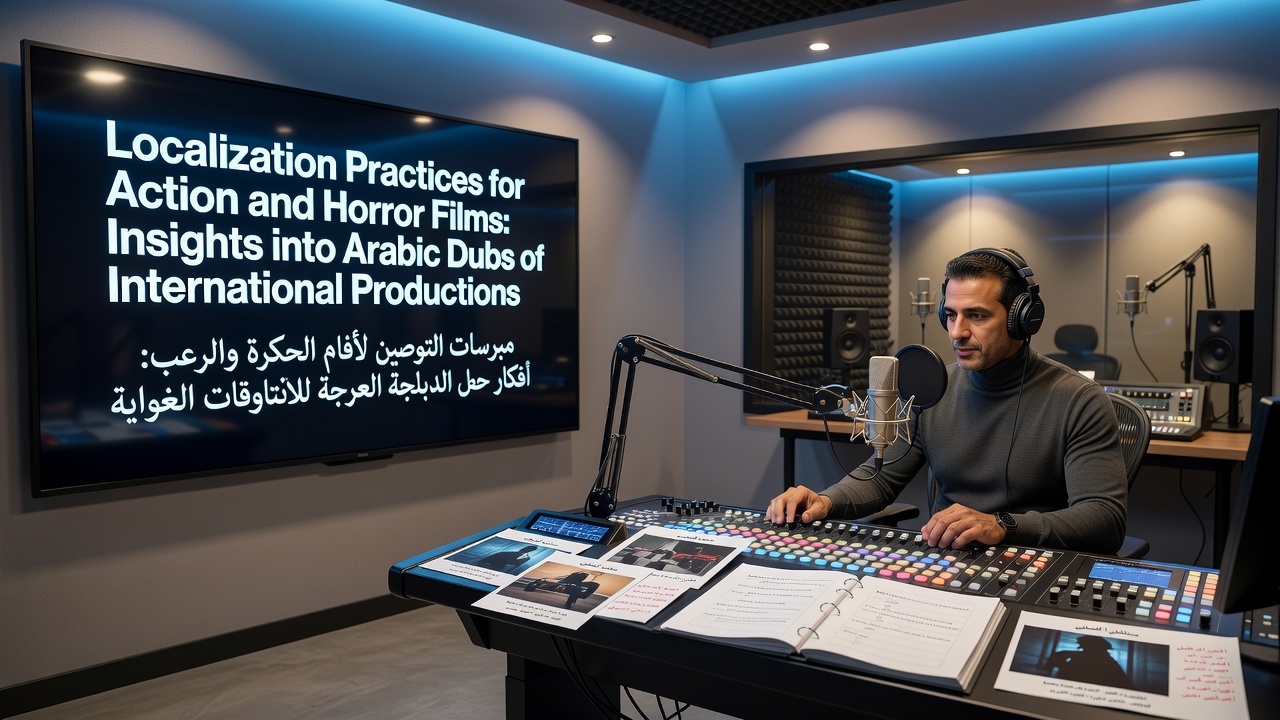
Localization Strategies for Arabic Dubs in Global Action and Horror Productions
Localization practices for Arabic dubs of international action and horror films involve coordinated efforts across translation teams, voice actors, and cultural consultants who adapt dialogue while preserving original pacing and intensity. Industry data from 2025 indicates that demand for these dubs has risen steadily in markets across the Middle East and North Africa, driven by expanded streaming platforms and theatrical releases. Production companies coordinate with regional studios in Egypt, Lebanon, and the United Arab Emirates to handle the technical and linguistic requirements specific to each genre.
Core Techniques in Arabic Dubbing Workflows
Technicians begin by analyzing source scripts for timing, emotional beats, and cultural references that require adjustment before recording sessions commence. Voice directors select performers whose tonal ranges match the original actors, then guide multiple takes to align lip movements with Arabic phonetics. Studies conducted by the European Audiovisual Observatory show that successful dubs maintain an average synchronization accuracy above 85 percent when teams apply iterative review cycles involving both translators and sound engineers. Action sequences demand precise handling of onomatopoeic expressions and rapid exchanges, while horror films require careful modulation of tension-building whispers and sudden exclamations to sustain audience immersion.
Genre-Specific Adaptations for Action Films
Action productions frequently feature specialized terminology related to weaponry, vehicles, and combat tactics that translators render into equivalent Arabic expressions understood by local audiences. Teams consult military and technical experts to ensure accuracy without disrupting narrative flow. Data from regional distribution reports reveal that dubbed versions of high-budget international action titles achieve higher repeat viewership when fight choreography descriptions remain vivid and concise. Studios schedule recording sessions around peak hours to capture authentic vocal energy, then layer in sound effects that complement rather than overpower the Arabic dialogue track.
Handling Horror Elements and Cultural Nuances
Horror localization presents distinct challenges because supernatural themes and psychological tension often intersect with regional beliefs and taboos. Translators identify references that could confuse or alienate viewers, then substitute culturally resonant alternatives while preserving the intended scare factor. Research published by the University of Toronto's cinema studies department documents how Arabic horror dubs adjust references to folklore and religious symbols to maintain emotional impact across different viewer demographics. Sound mixers calibrate background scores and ambient noises so they support rather than compete with dubbed vocal performances during key suspense moments.
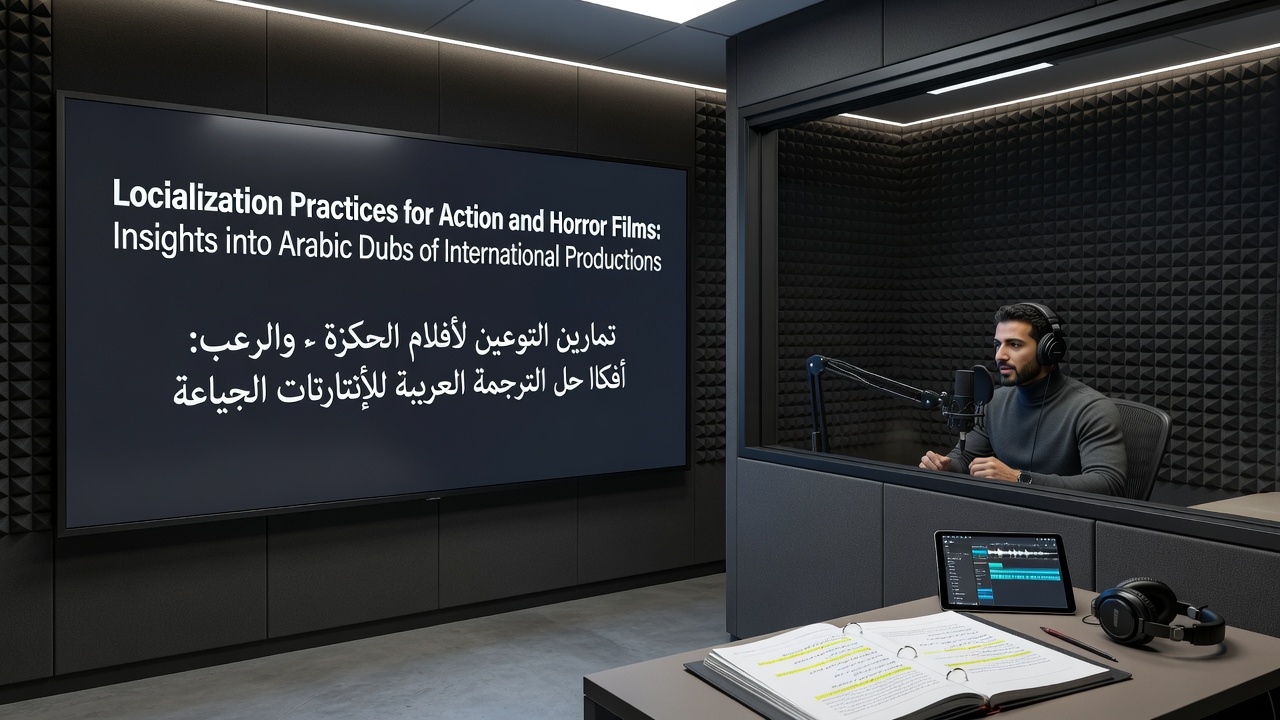
October 2026 has seen several major international releases scheduled for simultaneous Arabic-dubbed launches, reflecting improved coordination between global studios and regional partners. Industry observers note that these synchronized releases reduce piracy rates and increase official viewership metrics tracked by distribution analytics firms. Technical upgrades in AI-assisted timing tools have further streamlined the process, allowing teams to complete projects in shorter cycles without sacrificing quality standards established by professional guilds.
Industry Standards and Quality Assurance Processes
Quality control protocols require multiple review stages where linguists, directors, and cultural advisors evaluate final mixes for clarity and authenticity. Figures released by Screen Australia highlight that productions incorporating early-stage consultation with Arabic-speaking experts report fewer post-release revisions. Recording facilities employ standardized equipment calibrated to regional broadcast specifications, ensuring compatibility across cinema, television, and mobile platforms. Teams document every adaptation decision to create reference archives that speed up future projects involving similar genres or source material.
Emerging Trends and Technological Integration
Digital tools now assist translators in identifying potential synchronization issues before actors enter the booth, while machine-learning models suggest phrasing alternatives based on previous successful dubs. Training programs offered by professional associations in the Gulf region equip new practitioners with both linguistic and technical skills required for high-stakes projects. Reports from the Canadian Media Producers Association indicate continued investment in these hybrid workflows as audience expectations for seamless localization continue to rise.
Conclusion
Arabic dubbing of international action and horror films rests on established methodologies that balance linguistic fidelity with genre-specific emotional delivery. Continued refinement of these practices supports broader access to global cinema across Arabic-speaking regions, with ongoing technological and collaborative developments shaping future production cycles.