Mid-2010s Adaptations: Regional Arabic Dubbing Studios and Cross-Cultural Challenges in International Cinema
Uma Lang · Jul 26, 2026
Mid-2010s Adaptations: Regional Arabic Dubbing Studios and Cross-Cultural Challenges in International Cinema
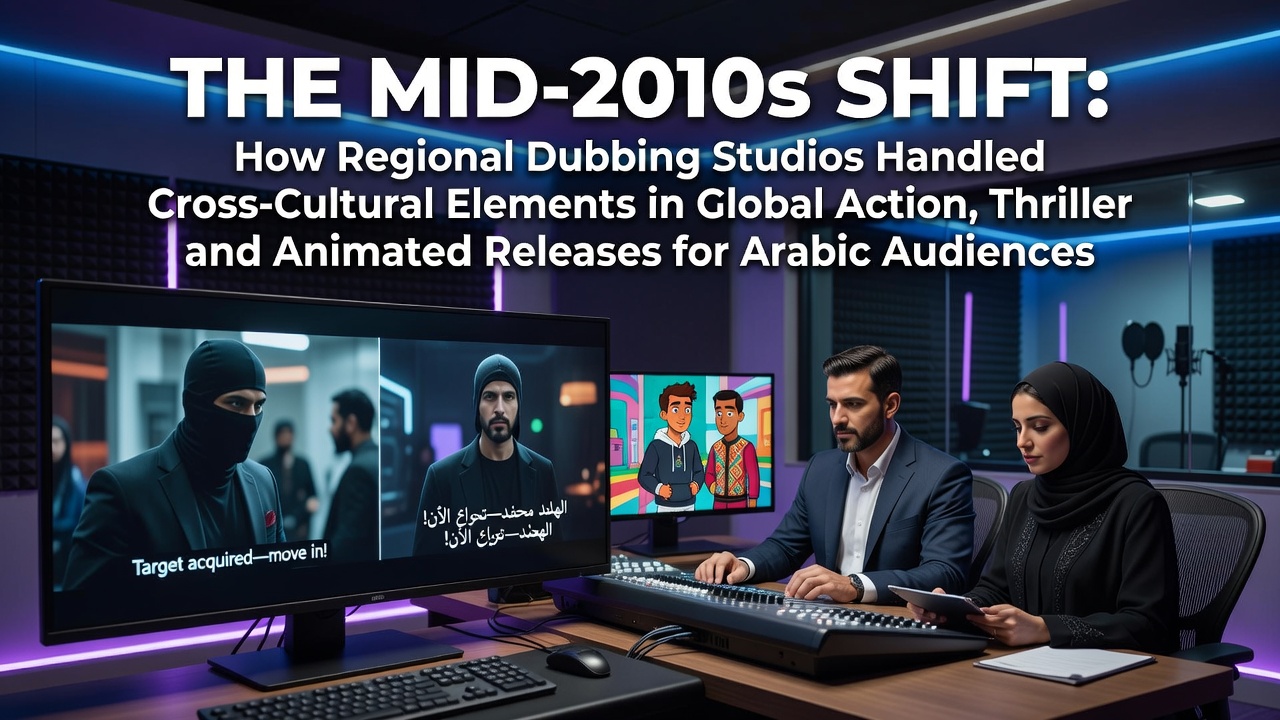
Regional dubbing studios across the Middle East and North Africa expanded their operations during the mid-2010s as Hollywood studios increased the volume of action, thriller, and animated releases targeted at Arabic-speaking markets. Studios in Egypt, Lebanon, and the United Arab Emirates took on more projects that required not only linguistic translation but also adjustments to cultural references, humor styles, and narrative elements that might not translate directly. Data from industry reports indicate that the number of dubbed theatrical releases rose steadily between 2014 and 2017, driven by growing cinema infrastructure and demand for localized content.
Action films presented particular hurdles because fight sequences and dialogue often relied on slang or idioms tied to American or European contexts. Dubbing teams replaced certain expressions with Arabic equivalents that preserved tension while avoiding unintended offense, and they sometimes adjusted character names or locations when original references carried different connotations in Arabic dialects. Thriller productions added layers of complexity since suspense frequently depended on subtle cultural cues around authority figures or social norms, requiring script supervisors to review each change against regional sensitivities.
Handling Animated Releases and Humor Adaptation
Animated features demanded the most creative interventions because jokes, songs, and visual gags often referenced Western pop culture or holidays. Studios recorded multiple takes using Modern Standard Arabic for broader reach alongside dialect versions for home video markets, and they coordinated with original production teams to secure approval for lyric changes in musical sequences. Research conducted by translation studies departments at several Arab universities documented how timing constraints forced choices between literal accuracy and lip-sync fidelity, especially in rapid-fire comedic exchanges.
One notable case involved a 2015 animated release where a food-related pun was swapped for a regionally familiar reference to maintain the laugh without disrupting scene rhythm. Observers note that such substitutions became standard practice as studios built libraries of approved cultural equivalents that could be reused across projects while maintaining consistency in character voices.
Studio Practices and Technical Adjustments
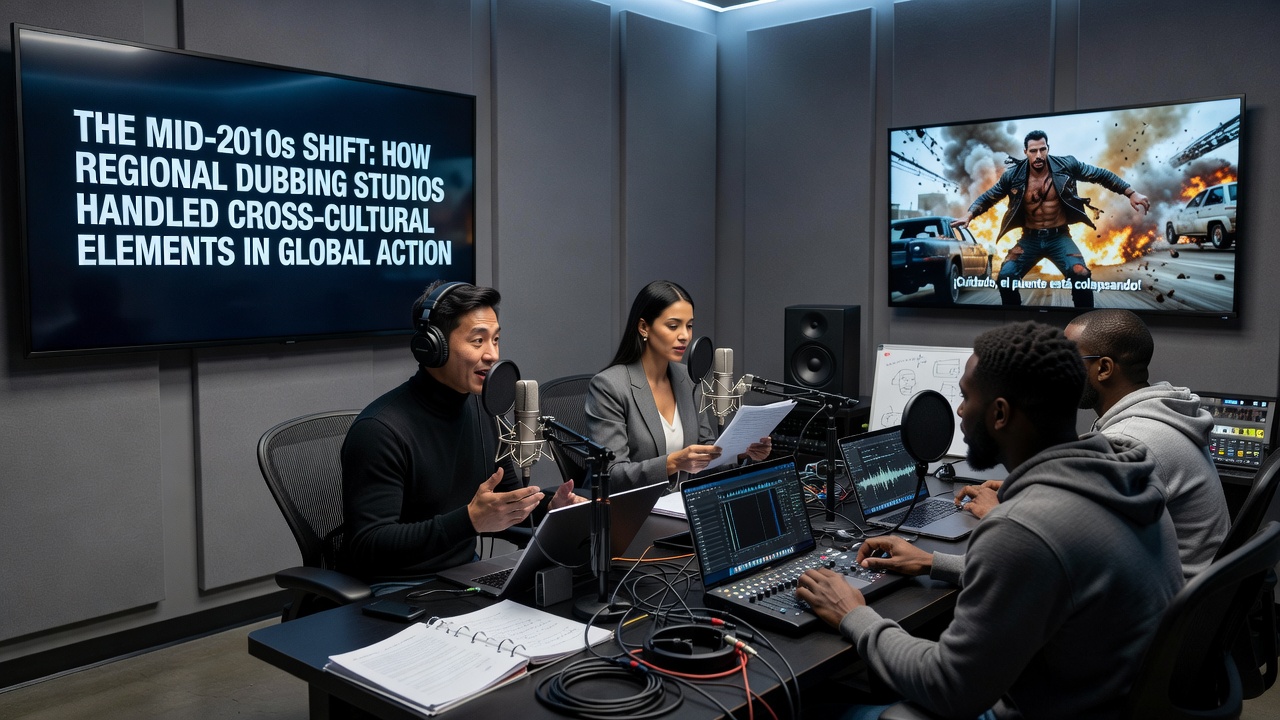
Facilities invested in updated recording equipment and hired voice actors fluent in multiple dialects to cover different audience segments. Scripts went through layered reviews that included cultural consultants alongside linguistic experts, and final mixes incorporated sound design tweaks to ensure dubbed dialogue matched the intensity of original action scenes. According to figures released by the European Audiovisual Observatory, co-production agreements between Western distributors and regional partners grew during this period, formalizing workflows that reduced turnaround times for Arabic versions.
Thriller projects often required careful handling of religious or political subtext, so teams inserted neutral phrasing where direct translation risked misinterpretation. Action sequences with heavy use of military terminology sometimes received simplified explanations that still conveyed strategy without introducing unfamiliar jargon. Animated releases benefited from longer post-production windows that allowed iterative testing with focus groups drawn from target age ranges.
Market Expansion and Distribution Shifts
By mid-decade the expansion of multiplexes in Gulf countries and North Africa created stronger incentives for simultaneous releases with Arabic dubs rather than delayed subtitled versions. Distributors tracked audience retention metrics that showed higher completion rates for dubbed animated titles among younger viewers, prompting further investment in voice talent development programs. Industry organizations such as the Motion Picture Association documented rising box-office contributions from Arabic-dubbed prints in their annual global reports.
Technical standards evolved as well, with studios adopting newer digital audio tools that allowed precise alignment of Arabic dialogue to character mouth movements. These tools reduced the need for extensive re-recording sessions and supported faster turnaround for sequels and franchise installments. External research from Canadian academic centers specializing in media localization confirmed that consistent dialect usage across a film series helped build viewer loyalty over multiple releases.
Conclusion
The mid-2010s marked a period when regional dubbing operations scaled up to meet increased demand while refining techniques for cross-cultural adaptation in action, thriller, and animated genres. Studios balanced linguistic accuracy with audience expectations through structured review processes and dialect flexibility, establishing patterns that later projects continued to follow. Available distribution data and translation studies from that era illustrate how these adjustments supported wider accessibility without altering core narrative elements.