The Expansion of Ad-Supported Platforms for Global Movie Access
Nils Bennett · Nov 18, 2026
The Expansion of Ad-Supported Platforms for Global Movie Access
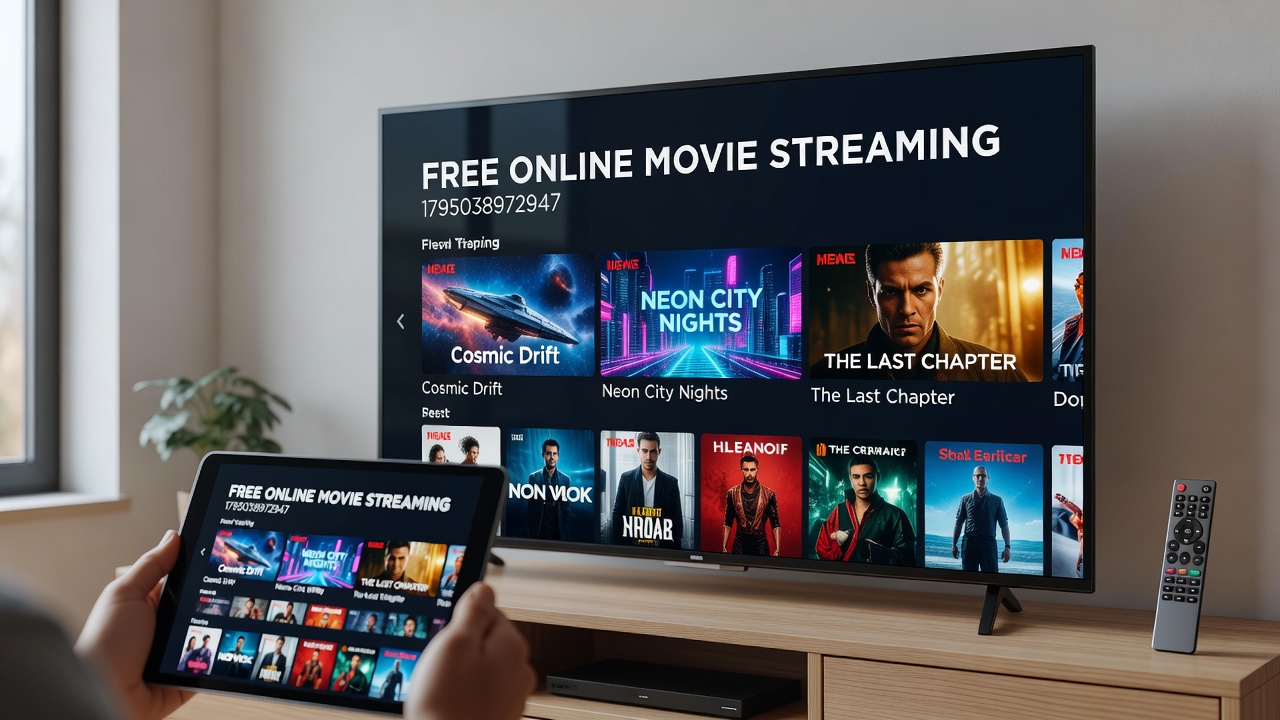
Free online movie streaming operates through ad-supported video on demand services that license content from studios and distributors while delivering films to viewers without subscription fees, and these platforms generate revenue by inserting commercials at regular intervals during playback. Data from industry reports indicates that such services have grown substantially in regions where broadband penetration supports consistent access, with companies focusing on catalog expansion to retain audiences amid competition from paid tiers. Observers note that many providers now offer multilingual subtitles and dubs, allowing users in diverse markets to select options like Arabic alongside original audio tracks.
Platform Structures and Content Acquisition
Services in this category secure rights through agreements that permit temporary or rotating availability of titles, which means libraries change frequently based on licensing windows, and this rotation encourages repeated visits as new selections appear each month. Researchers at various media studies centers have documented how smaller studios and independent producers often supply material to these outlets because the exposure reaches demographics that traditional theatrical releases might miss. Viewers encounter interfaces with search functions, genre filters, and recommendation engines that analyze viewing history to suggest similar films, all while maintaining compliance with regional content regulations that differ between North America, Europe, and Asia-Pacific markets.
Regional Availability and Subtitle Integration
Access patterns vary by country due to licensing restrictions that prevent simultaneous global rollout of every title, yet services frequently add localized subtitle tracks to broaden appeal in non-English speaking areas. Figures from communications authorities in Canada and Australia reveal steady increases in households using these free tiers as primary viewing sources, particularly when combined with smart TVs and mobile applications that support offline downloads in some cases. One study from a European research institution highlighted how subtitle customization improves completion rates for longer features, and this feature set has become standard across multiple providers aiming to serve international audiences.
Technological and Viewing Trends Through Late 2026
By November 2026, infrastructure improvements in emerging markets are projected to further expand reach, since higher average connection speeds reduce buffering during peak evening hours when ad-supported libraries see heaviest traffic. Industry organizations tracking digital consumption report that mobile devices account for a growing share of sessions, prompting developers to optimize apps for lower data usage without sacrificing image quality. Those who monitor viewer metrics observe that holiday periods often coincide with spikes in activity, as users seek familiar titles during extended breaks, and this seasonal pattern influences content acquisition strategies well in advance.
Legal Considerations and Industry Standards
Regulatory bodies such as the Federal Communications Commission in the United States and the Australian Communications and Media Authority have issued guidelines on advertising practices within these services, requiring clear disclosures about data collection tied to personalized ad delivery. Compliance efforts include age-appropriate labeling and parental control options that allow households to restrict certain categories, while content remains subject to the same rating systems applied to physical media releases. Evidence from academic reviews shows that transparent ad models reduce user complaints compared with hidden tracking methods, and platforms that adopt these standards tend to retain audiences longer according to aggregated usage statistics.
Future Developments in Accessibility
Continued investment in recommendation algorithms and content partnerships points toward more refined discovery tools that surface regional productions alongside mainstream releases, and this diversification supports creators who rely on broad distribution rather than exclusive deals. Observers tracking the sector note that integration with voice assistants and smart home ecosystems simplifies navigation for users who prefer hands-free operation, while security updates focus on protecting accounts from unauthorized access across shared devices. As infrastructure expands, the model of free access supported by advertising continues to evolve in response to both technological capabilities and shifting consumer preferences documented in periodic surveys.
Conclusion
The framework surrounding free online movie streaming reflects ongoing adjustments in licensing, technology, and regulatory environments that shape how audiences discover and watch films without direct payment, and these dynamics are expected to persist as new entrants and established players refine their offerings through 2026 and beyond. Data from multiple regions underscores the role of subtitles and ad-supported economics in sustaining broad participation, while compliance with local standards helps maintain service viability across borders.