The Rise of Free Streaming Services for Movies in the Digital Age
Sage Schmitz · Jul 9, 2026
The Rise of Free Streaming Services for Movies in the Digital Age
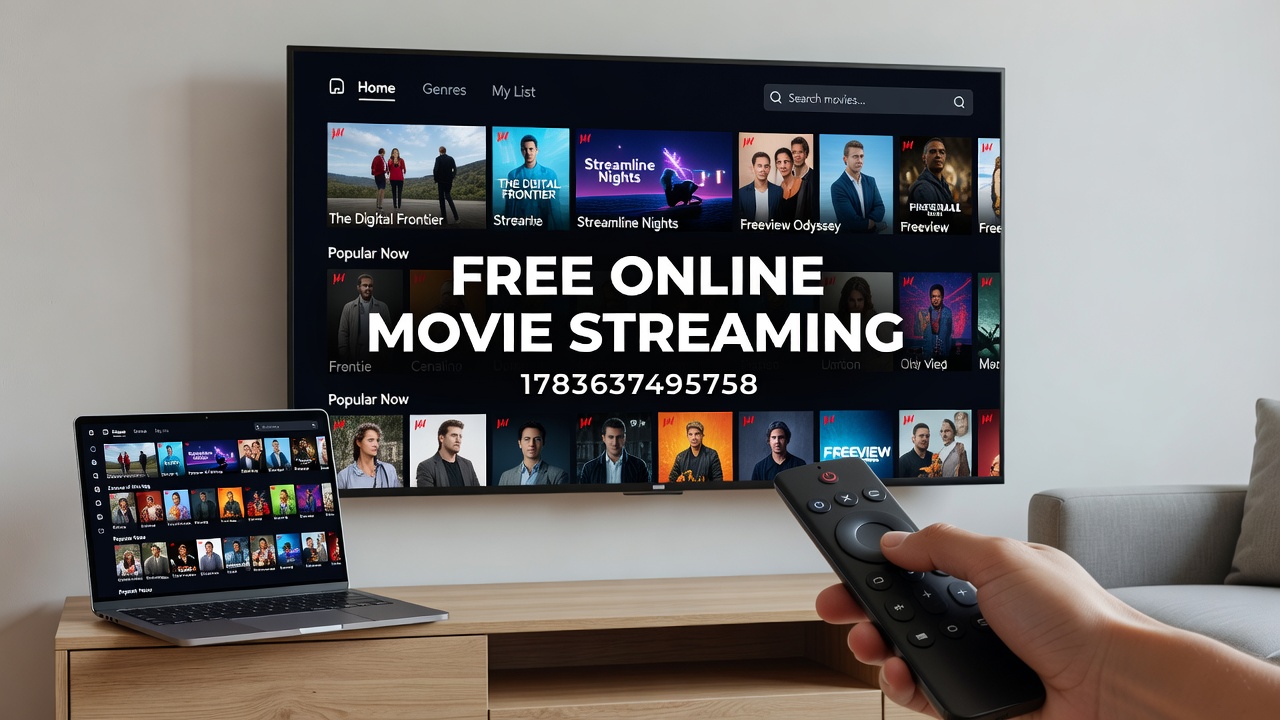
Free online movie streaming has expanded significantly through ad-supported video on demand platforms and public domain archives that deliver content without subscription fees; these services operate by inserting commercials during playback while maintaining access to feature films across multiple genres. Data from industry reports indicates that millions of users engage with these platforms daily, and the model relies on advertising revenue rather than direct payments from viewers.
Platforms categorize their libraries into sections for action, drama, horror and international cinema, which allows users to browse titles through search functions and recommendation algorithms. Observers note that many services partner with studios to license older releases and independent productions, creating catalogs that refresh periodically with new additions.
Types of Free Streaming Models
Ad-supported video on demand represents one primary approach where viewers encounter short commercial breaks in exchange for uninterrupted access to full-length movies; this structure mirrors traditional broadcast television yet functions through internet delivery. Another category includes public domain repositories that host films whose copyrights have expired, providing permanent availability without any monetization layer. Hybrid options combine both elements by offering a mix of licensed and freely usable content on the same interface.
Research from media analytics firms shows that ad-supported services often require account registration to track viewing habits and deliver targeted advertisements, whereas public domain sites permit anonymous access in most cases. Users frequently switch between multiple platforms to locate specific titles because no single service maintains every available film.
Legal and Regulatory Framework
Copyright laws govern the availability of movies on free streaming sites, and platforms must secure licenses or rely on public domain status to avoid infringement claims. According to information from the United States Copyright Office, works published before 1929 generally enter the public domain in the United States, enabling legal hosting without permission from rights holders. Similar rules apply in other jurisdictions with varying term lengths based on the date of creation and the creator's lifespan.
Regulatory bodies in different regions monitor compliance, and the Australian Communications and Media Authority publishes guidelines on digital content distribution that emphasize clear labeling of licensed versus public domain material. In Canada, the Canadian Radio-television and Telecommunications Commission tracks how streaming services handle advertising standards and content classification. Violations can result in takedown notices or service restrictions, which encourages operators to maintain transparent sourcing practices.
Platform Features and User Experience
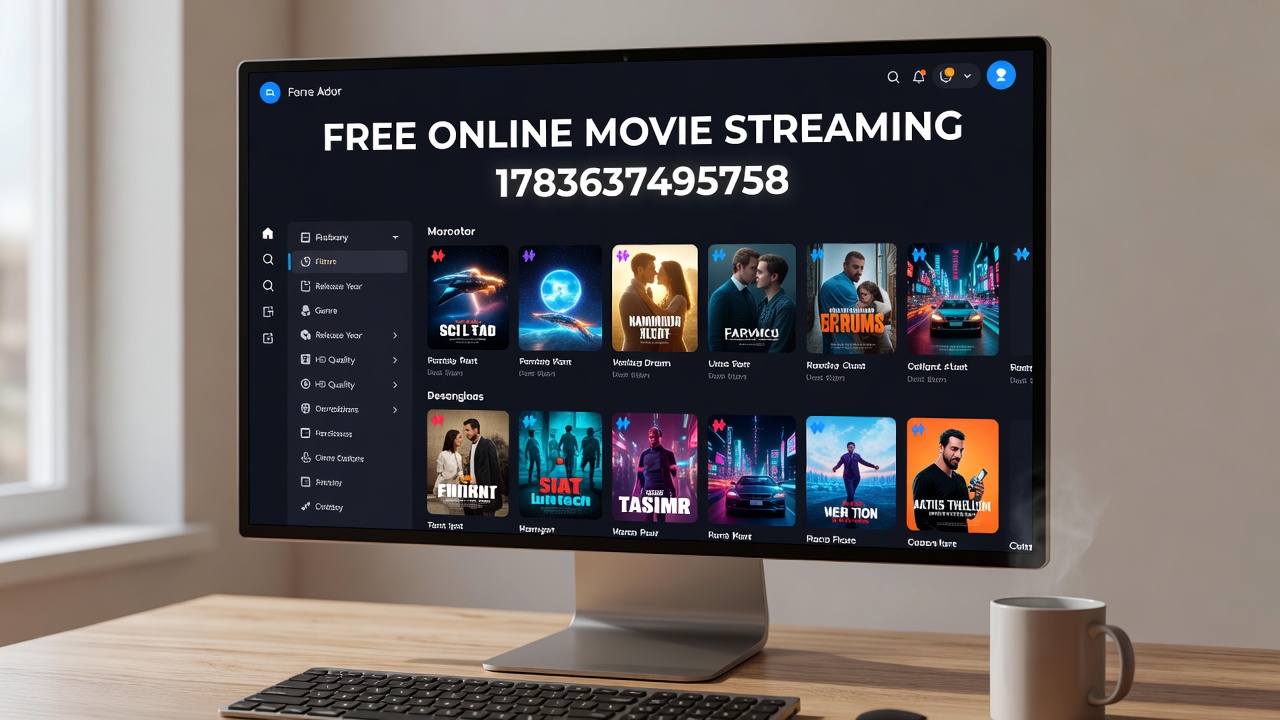
Modern free streaming interfaces incorporate high-definition playback, subtitle options in multiple languages, and mobile applications that support offline downloads during active sessions. Those who study user behavior report that search filters for release year, director and cast improve discovery rates, while personalized watchlists help retain engagement over time. Bandwidth optimization technologies ensure smooth streaming on varying internet speeds, reducing interruptions during peak hours.
Security measures such as HTTPS encryption and two-factor authentication protect account information, and many services publish their data handling policies to comply with privacy regulations like the European Union's General Data Protection Regulation. Observers note that July 2026 may bring updates to cross-border data transfer rules that could affect how international platforms manage user profiles and viewing histories.
Regional Availability and Content Variations
Content libraries differ by geographic location due to licensing agreements, and viewers in Europe often encounter different selections compared with those in Asia or North America. A study conducted by academic researchers at the University of Southern California documented how regional regulations influence the proportion of locally produced films versus Hollywood releases on free platforms. Subtitles and dubbed audio tracks expand accessibility for non-native speakers, while some services restrict certain titles to specific countries to honor distribution contracts.
Industry organizations such as the European Audiovisual Observatory compile statistics on digital distribution trends, revealing that free streaming accounts for a growing share of overall movie consumption in several member states. These figures highlight shifts in viewing habits as broadband infrastructure improves and device ownership increases across demographics.
Technological Developments
Streaming technology continues to advance with improvements in adaptive bitrate streaming that adjusts quality based on connection stability, and integration with smart home devices allows voice-controlled navigation through catalogs. Data indicates that artificial intelligence assists in content moderation by flagging inappropriate material before it reaches users, while recommendation engines analyze aggregated viewing patterns to suggest relevant titles.
Future enhancements projected for mid-2026 include wider adoption of 4K resolution on ad-supported services and expanded support for virtual reality previews of select films. These developments stem from ongoing collaborations between technology providers and content distributors seeking to enhance viewer retention without introducing paid tiers.
Conclusion
Free online movie streaming operates through established legal models that balance accessibility with copyright protection, supported by advertising revenue and public domain resources. Global regulatory frameworks from bodies like the United States Copyright Office and the Australian Communications and Media Authority shape platform operations, while technological advancements continue to refine the viewing experience. Data from multiple sources confirms steady growth in user adoption, driven by convenient access across devices and expanding content libraries that reflect diverse regional preferences.