Voices in Translation: Arabic Dubs Bringing 2015 Hollywood Animated Features and 2016 Indian Thrillers to Viewers Through Open Digital Networks
Jordan Vogel · Aug 13, 2026
Voices in Translation: Arabic Dubs Bringing 2015 Hollywood Animated Features and 2016 Indian Thrillers to Viewers Through Open Digital Networks
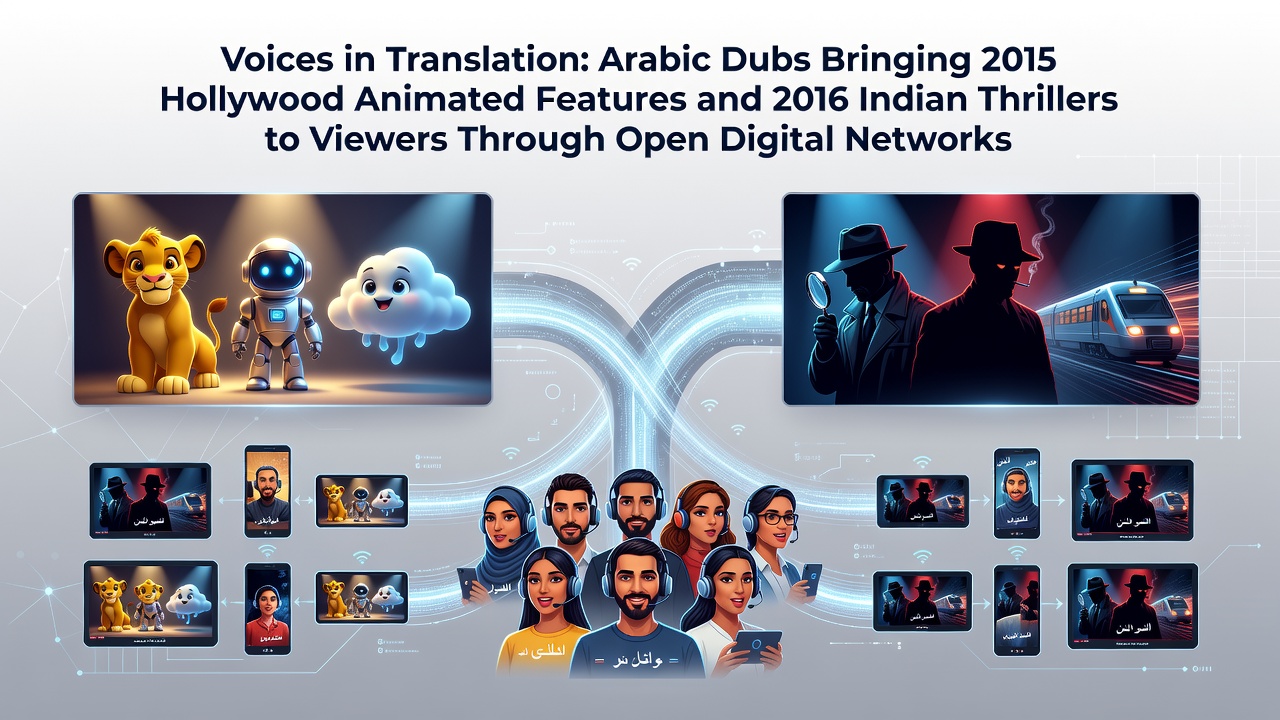
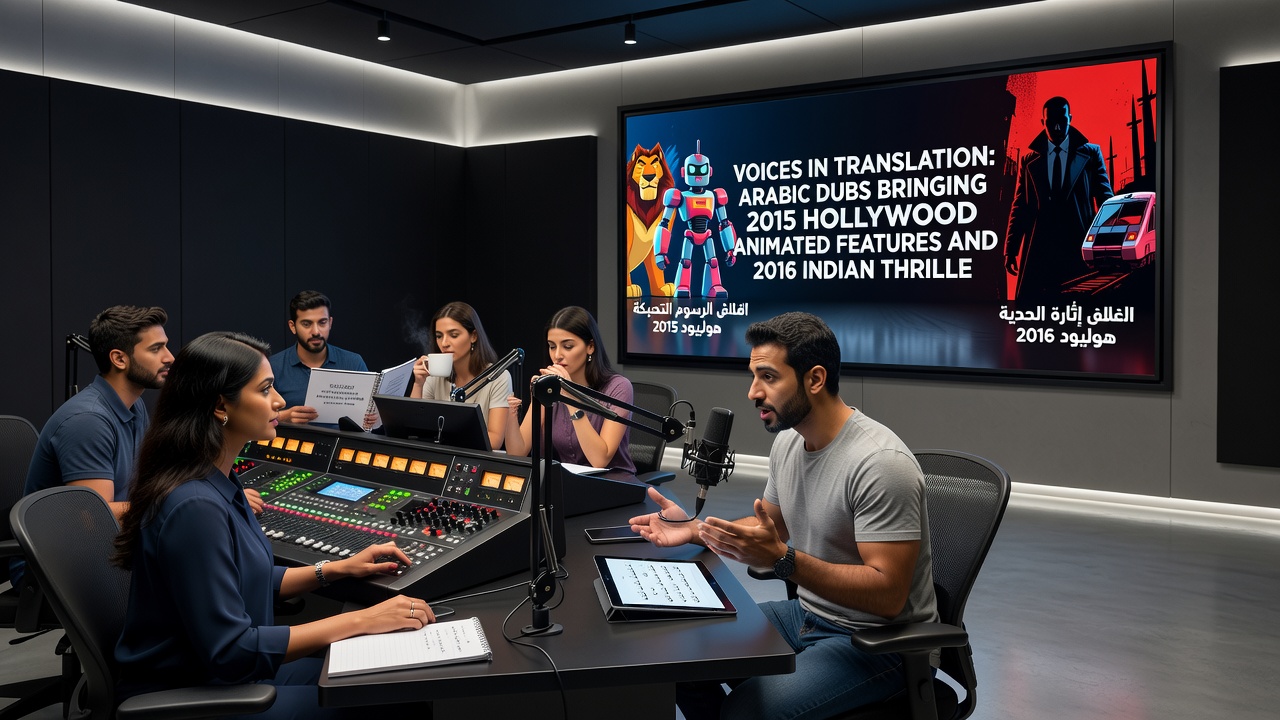
Arabic language dubbing has expanded access to select 2015 Hollywood animated features and 2016 Indian thrillers across open digital networks, where platforms deliver localized audio tracks to audiences in multiple regions. Studios and distributors coordinate with voice talent in studios located in Cairo, Dubai and Beirut to record dialogue that aligns with lip movements and narrative pacing while preserving original story elements.
Technical Processes in Arabic Dubbing for Animated and Thriller Genres
Production teams begin with script adaptation that accounts for linguistic nuances in Modern Standard Arabic alongside regional dialects, then move to recording sessions where actors match timing and emotional delivery to on-screen performances. Software tools synchronize dubbed tracks with existing video files, a step that digital networks facilitate through cloud-based editing platforms accessible to international collaborators. Data from industry reports indicate that these workflows reduced turnaround times for Arabic versions of animated titles released in 2015 compared with earlier decades.
Distribution Patterns Through Open Digital Networks in 2026
By August 2026, open digital networks had integrated Arabic dubbed audio options for titles such as 2015 animated releases and 2016 Indian thrillers into their content libraries, allowing users to select language tracks during playback. Network operators rely on content delivery systems that push localized files to servers in North Africa and the Middle East, ensuring consistent availability without requiring separate physical media shipments. Figures from media distribution analyses show increased usage of these dubbed tracks during peak viewing periods in summer months.
Case Examples from 2015 Animated Features and 2016 Indian Thrillers
One 2015 Hollywood animated feature received Arabic dubbing that retained character-specific vocal styles while adapting cultural references for broader comprehension, and similar treatment applied to a 2016 Indian thriller where suspenseful dialogue required precise timing to maintain tension across languages. Observers note that voice actors for these projects often draw from theater backgrounds in Arabic-speaking countries, bringing performance techniques that enhance emotional resonance in dubbed versions. Researchers at institutions tracking global film localization have documented how these adaptations support viewership metrics in markets where subtitling alone proves insufficient for younger audiences or family viewing contexts.
Role of Open Digital Networks in Accessibility Expansion
Open digital networks operate without traditional broadcast restrictions, which enables rapid deployment of dubbed content to devices ranging from smartphones to smart televisions across Arabic-speaking territories. This infrastructure supports simultaneous releases of multiple language versions, a development that accelerated after 2015 when streaming protocols improved bandwidth efficiency for audio layering. According to Canadian Heritage film policy documents, such networks contribute to cultural exchange by making localized audiovisual material available beyond geographic boundaries.
Additional data compiled by academic teams at the University of Sydney indicate that Arabic dubs of thrillers and animated features from the specified years reached higher completion rates among viewers who selected those tracks over original language options with subtitles. Network analytics further reveal patterns of repeated viewings in households where multiple generations share devices, reflecting how dubbed audio lowers barriers for shared entertainment experiences.
Industry Collaborations and Voice Talent Development
Production companies partner with regional studios to train new voice artists familiar with both source material and target audience expectations, a process that gained momentum around 2016 as demand for Indian thriller dubs increased. These collaborations often include workshops on phonetic matching and cultural adaptation led by experienced directors from Hollywood and Bollywood localization teams. Evidence from trade association summaries shows steady growth in the number of certified Arabic dubbing professionals handling animated and live-action projects each year.
Conclusion
Arabic dubs of 2015 Hollywood animated features and 2016 Indian thrillers continue to circulate through open digital networks as of August 2026, supported by synchronized recording methods, adaptive distribution systems and coordinated industry efforts. These elements combine to deliver accessible versions of specific titles to viewers who rely on localized audio for full engagement with the material.